


A resolution to prevent President Donald Trump from carrying out the war against Iran was approved by the Republican-led U.S. House of Representatives on Wednesday, indicating that members of his party are becoming increasingly concerned about the three-month-old confrontation.
Passing of the resolution
The war powers resolution, which orders Trump to remove American troops from Iran unless Congress declares war or authorises the use of military force, was approved by the House 215 to 208, with four Republicans voting alongside Democrats.
For the time being, the vote is mainly symbolic because legislation needs to pass both the Senate and the House in order to take effect, and there is disagreement over whether war powers resolutions would be constitutional even if Congress accepted them.
Representatives Tom Barrett of Michigan, Warren Davidson of Ohio, Brian Fitzpatrick of Pennsylvania, and Thomas Massie of Kentucky were the four Republicans in the House who supported the war powers resolution. Democrats did not vote against it. Seven members of the House abstained from voting.
Trumps’ response
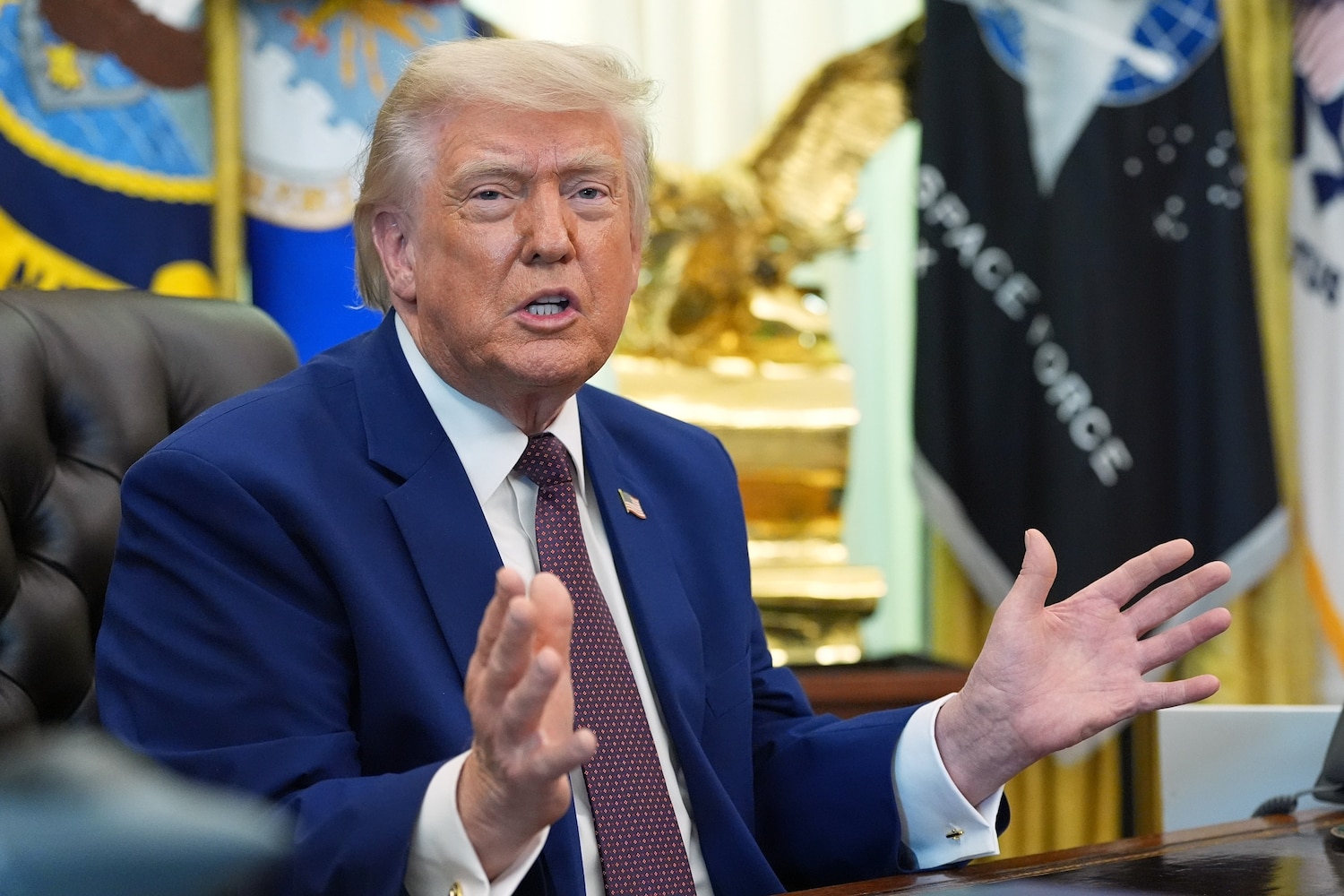
The vote, according to Trump on Thursday morning, was “right in the middle of my final negotiations to end the War with the Islamic Republic of Iran.” He stated on social media that Republicans who supported Democrats on the matter ought to feel ashamed of themselves.
After seven unsuccessful efforts, the Senate passed a different but related resolution last month in a procedural vote. The Senate bill has not yet been scheduled for additional votes.
Democrat’s stance
According to Representative Gregory Meeks, the vote is “a significant bipartisan rebuke of President Trump’s illegal and costly war in Iran and the first step toward ending it once and for all”.
Meeks claimed that by raising domestic fuel prices and making a diplomatic resolution to Iran’s nuclear program considerably more challenging, Trump has failed to accomplish the war’s declared objectives. Meeks, who co-sponsored the resolution, stated, “The passage of this [measure] today signals a significant turning point: more and more Republicans are listening to their constituents who do not want another open-ended war in the Middle East.”
Approval of Senate
Republicans also have a small majority in the Senate, which must also approve the measure.
Senate Republicans have so far gathered enough votes to reject the ideas. On the other hand, Senate Democrats have been pressuring votes to begin the process that would compel US halt to the war.
Nonetheless, even if the Senate agrees with the House to impose restrictions on his war on Iran, Trump may veto the measure.
In that case, the president’s veto would need to be overridden by a two-thirds majority in Congress. That is not impossible. It might not be feasible, though, given the current situation: while some Republicans are dissatisfied, the majority still openly back Trump.
Related Stories:
Donald Trump Gifted Nobel Peace Prize
US Senate Grapples with Ukraine Aid Bill Amid Republican Opposition