
Overview of Military Action
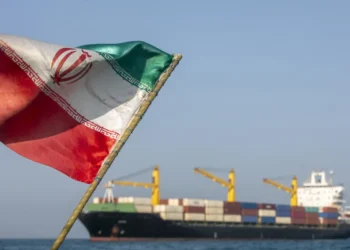
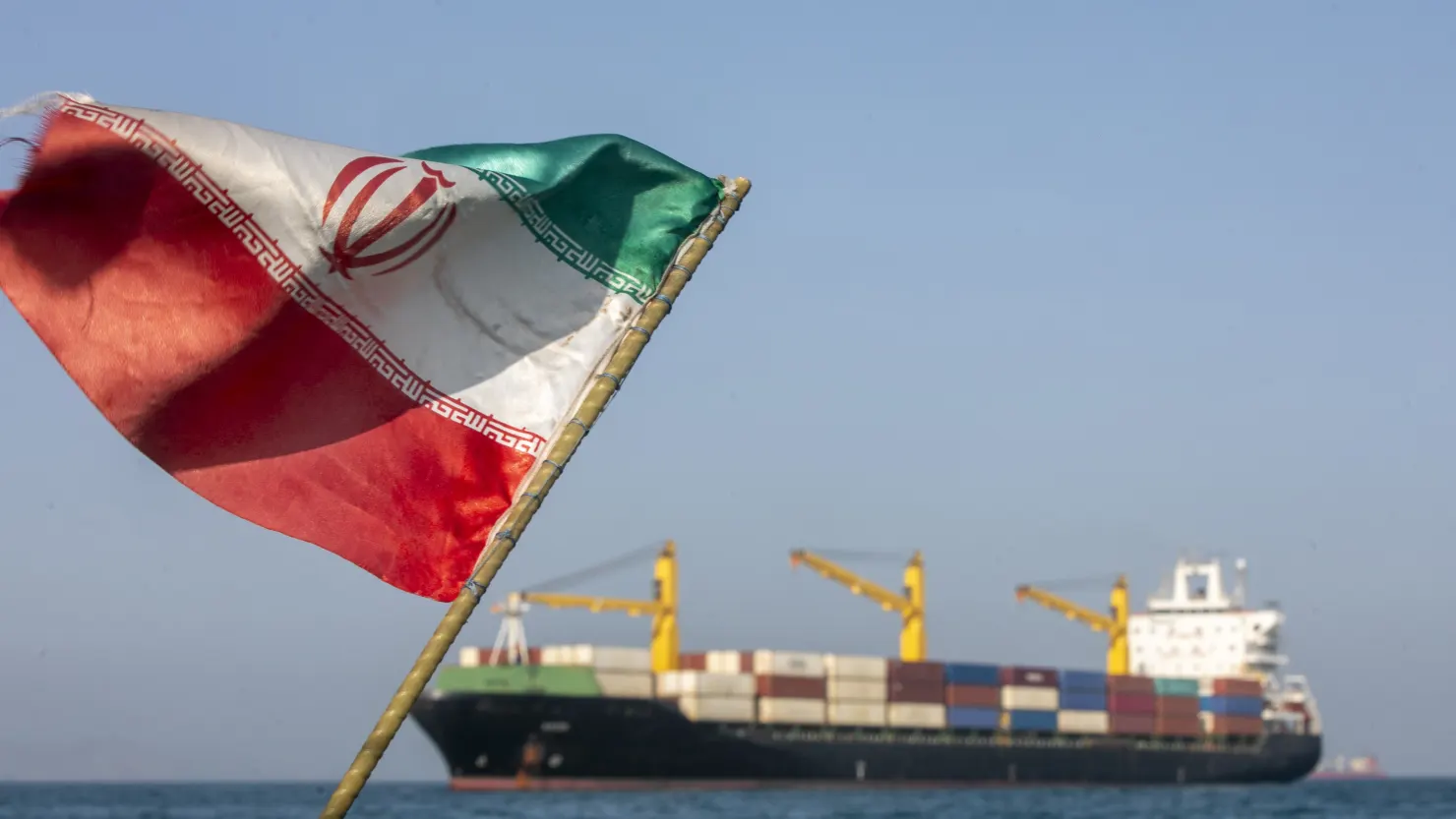
In a significant escalation of tensions, U.S. forces executed self-defense strikes in southern Iran early Tuesday, targeting missile launch sites and Iranian boats attempting to lay mines in the strategically critical Strait of Hormuz. U.S. Central Command (CENTCOM) asserted that these military actions were essential to safeguard American troops from threats posed by Iranian forces. CENTCOM spokesman Capt. Tim Hawkins highlighted the military’s commitment to exercising restraint during the ongoing ceasefire established on April 8.
Diplomatic Context and Negotiation Dynamics
Despite the recent military actions, President Donald Trump indicated on Monday that negotiations with Iran were “proceeding nicely.” He emphasized that any agreement must be mutually beneficial or risk returning to conflict. Secretary of State Marco Rubio, currently in India, reiterated the necessity of keeping the Strait of Hormuz open, underscoring U.S. actions aimed at ensuring the accessibility of this vital shipping route.
The backdrop of these military strikes reveals a complex diplomatic landscape. Recent discussions have suggested that a potential deal between the U.S. and Iran could be on the horizon, with reports indicating a possible 60-day ceasefire extension and plans for further negotiations regarding Iran’s nuclear program. However, Iranian officials have cautioned that while progress is being made, a formal agreement is not imminent.
Geopolitical Implications and Economic Impact
The ongoing conflict has broader geopolitical implications, particularly concerning energy markets. Oil prices have begun to fluctuate, reflecting rising concerns over regional stability. The disruption of energy flows globally due to the conflict emphasizes the urgent need for a peaceful resolution.
As both sides remain engaged in negotiations, the potential for further military action looms, complicating efforts for a diplomatic settlement. The situation remains fluid, with the international community closely monitoring developments in order to assess the impact on global security and economic stability. The delicate balance between military action and diplomatic engagement will be crucial in determining the future of U.S.-Iran relations.
Related Stories
Khamenei’s Ultimatum: Iran’s Three Preconditions for U.S. Engagement
Russia to Build 8 Nuclear Power Plants in Iran
Iran Says Nuclear Talks with U.S. Likely to Fail