
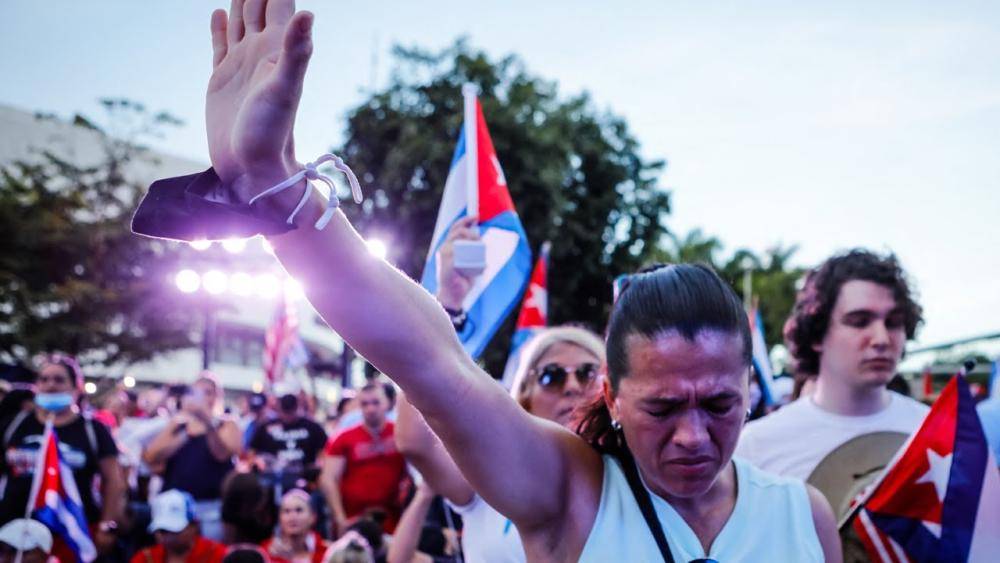
Large-scale protests across Latin America are on the rise due to the cost-of-living crises, rising inflation, and government austerity measures. From protracted anti-austerity blockades in Bolivia to national feminist movements in Argentina and teacher strikes in Mexico, the region has witnessed strong, nation-specific protests.
Bolivia
Widespread anti-government protests are currently centred in Bolivia. For several weeks, key highways and cities like La Paz have been blocked by trade unions, miners, indigenous peoples, and female farmers. Low pay, skyrocketing inflation, and attempts to privatise certain economic sectors are all being opposed by protesters. There are severe shortages of food, gasoline, and medical supplies as a result of the blockades.
Argentina
Eleven years after the first large-scale demonstration against gender violence, thousands of people took part in a new Ni Una Menos mobilisation in several locations throughout Argentina. While concurrent marches were organised in Córdoba, La Plata, Rosario, Mar del Plata, and other locations across the nation, the primary event was staged in front of the National Congress in Buenos Aires. Tens of thousands of people took to streets to protest the government’s economic policies and systemic gender violence.
Feminist organisations from all across Latin America came together for the marches to push for policies that prioritise prevention, aid, and access to justice, as well as to urge more state action against these kinds of crimes. Eleven years after the movement’s founding mobilisation, it still draws attention to the persistent violence against women and persons of other gender identities.
Mexico
Mexico has seen the start of indefinite nationwide strikes by educators and civil servants. Protesters are calling for the revocation of neoliberal changes that have made teaching a hazardous profession, as well as large wage increases and better pensions. As the nation prepares to host the World Cup, protesters have vowed to sabotage government infrastructure and significant projects. The US is backing the government and has called the protests “a coup attempt”.
Peru
Youth-led movements, labour unions, and citizens opposing government corruption, an increase in violent crime, and pension reforms have been the main drivers of large-scale protests in Peru. President Dina Boluarte was impeached as a result of the turmoil that started in late 2025, but emotions are still high ahead of the general elections.
The increase in extortion and murders linked to transnational gangs has angered protesters, especially Generation Z activists and transportation workers.Pension Reform: Thousands of young people took to the streets in protest of a law that required all citizens above the age of 18 to make contributions to private pension funds. After previous President Dina Boluarte was overthrown in October 2025, interim President José Jerí was sworn in, but this did little to ease unrest.
Deepening Unrest
Across Latin America, the protests may differ in their demands, but they are rooted in the same set of pressures rising living costs, widening inequality, and growing distrust in state responses. From blockades in Bolivia to feminist marches in Argentina, teacher strikes in Mexico, and youth-led unrest in Peru, the message is consistent: people are pushing back against systems they feel are failing them. The scale and persistence of these movements suggest that the region’s political and economic tensions are far from easing.
Related Stories:
China To Boost Food Imports From Latin America, Europe As US Trade War Escalates
Germany’s Intelligence agency has flagged Pro-Palestinian symbols
Instagram users face shadow ban over Pro-Palestinian content