Friday, April 24, 2026
Observer Diplomat
  • Home
  • Regions
    • US & Canada
    • China
    • Latin America & Caribbean
    • Middle East
    • Central Asia
    • South Asia
    • East Asia & The Pacific
    • Africa
    • Europe
  • Topics
    • Opinion
    • Society
    • Security
    • Economy
    • Diplomacy
    • Politics
    • Environment
  • More
    • National Days
    • Podcasts
    • Interviews
    • Books and Reviews
    • Heads of Mission In Pakistan
    • Events
  • Magazine
  • About
    • Subscription
    • Newsletter
    • About Us
    • Write For Us
    • Advertise
    • Privacy Policy
    • Contact Us
No Result
View All Result
  • Home
  • Regions
    • US & Canada
    • China
    • Latin America & Caribbean
    • Middle East
    • Central Asia
    • South Asia
    • East Asia & The Pacific
    • Africa
    • Europe
  • Topics
    • Opinion
    • Society
    • Security
    • Economy
    • Diplomacy
    • Politics
    • Environment
  • More
    • National Days
    • Podcasts
    • Interviews
    • Books and Reviews
    • Heads of Mission In Pakistan
    • Events
  • Magazine
  • About
    • Subscription
    • Newsletter
    • About Us
    • Write For Us
    • Advertise
    • Privacy Policy
    • Contact Us
No Result
View All Result
Observer Diplomat
No Result
View All Result
Home Politics

Pakistan Elections: Imran Khan and Nawaz Sharif Claim Victory – What’s Next?

News Desk by News Desk
February 13, 2024
in Politics, South Asia
0
Pakistan Elections: Imran Khan and Nawaz Sharif Claim Victory – What’s Next?
Share on FacebookShare on Twitter

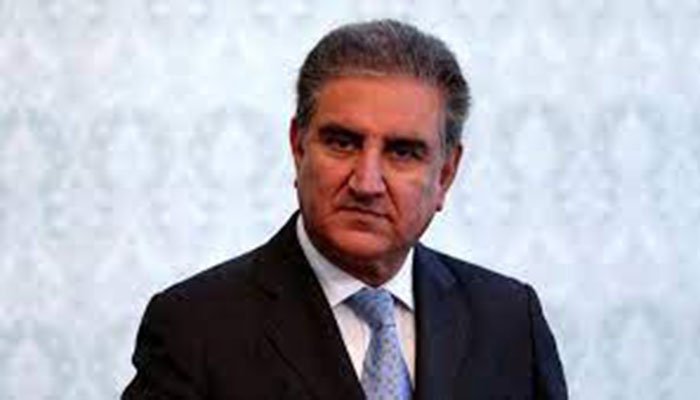
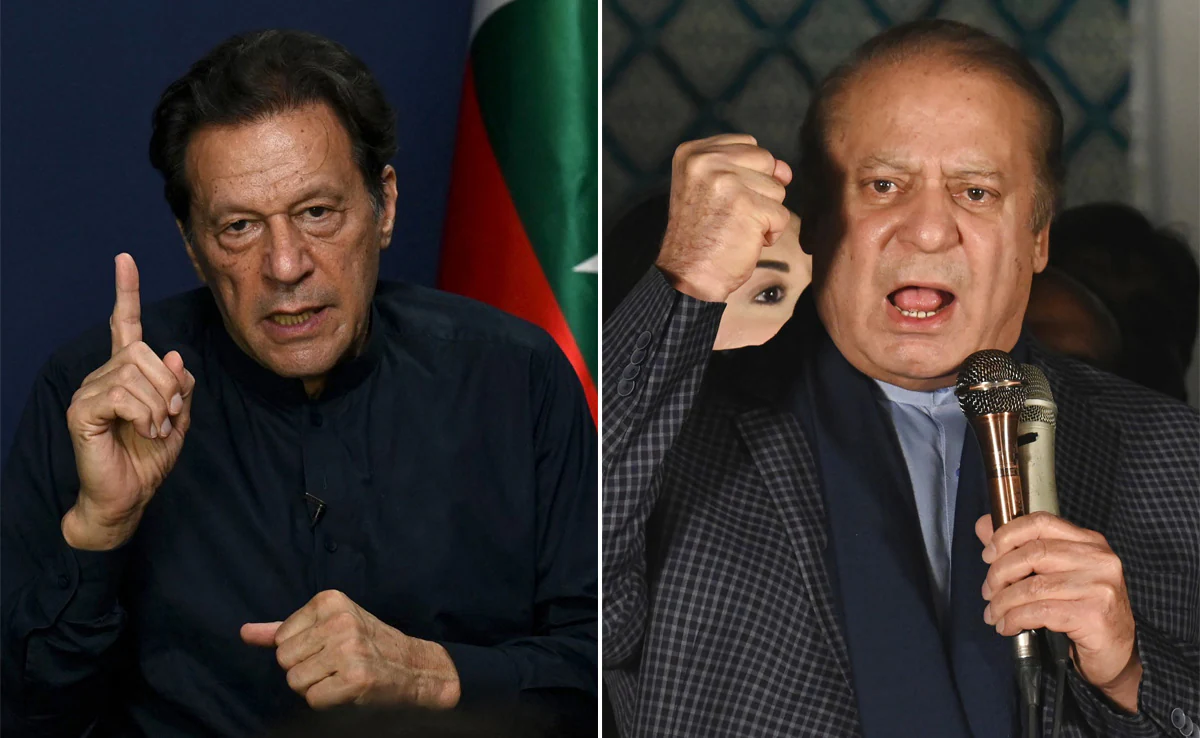
In the aftermath of Pakistan’s recent elections, the political landscape has been set ablaze with claims of victory from two prominent figures: Imran Khan and Nawaz Sharif. This development has sparked widespread speculation about the future direction of the country and the potential implications for its governance. As Pakistan stands at a critical juncture, it is imperative to delve deeper into the intricacies of these claims and explore the path forward.

Imran Khan, the charismatic former cricket superstar turned politician, has been a polarizing figure in Pakistani politics. Despite facing legal challenges and being incarcerated at the time of the elections, Khan’s supporters managed to secure a significant number of seats in the National Assembly. Through his party, Pakistan Tehreek-e-Insaf (PTI), Khan has steadfastly asserted his claim to victory, rallying his supporters to celebrate what he perceives as a triumph over adversity.

On the other hand, Nawaz Sharif, a seasoned politician and former prime minister, has emerged as a formidable contender in the electoral arena once again. Despite facing legal and personal setbacks, including a period of self-imposed exile, Sharif’s party, the Pakistan Muslim League-Nawaz (PML-N), secured a notable victory, garnering a substantial number of seats in the National Assembly. Sharif’s declaration of victory has injected a sense of optimism among his supporters, who view his resurgence as a testament to his enduring popularity and political acumen.

The simultaneous claims of victory by Khan and Sharif have cast a spotlight on the complex nature of Pakistani politics. With neither party securing an outright majority, the prospect of coalition-building looms large on the horizon. Both Khan and Sharif find themselves at a crossroads, tasked with the formidable challenge of negotiating alliances and forging consensus among disparate political factions. The success of their respective endeavors will ultimately determine the trajectory of Pakistan’s governance in the coming years.

As Pakistan embarks on this journey towards coalition-building, it is crucial to acknowledge the broader implications of these developments. The stability and effectiveness of the future government hinge on its ability to navigate the intricacies of coalition politics and address the pressing issues facing the nation. From economic reforms to security challenges, Pakistan confronts a myriad of obstacles that demand immediate attention and concerted action.

Furthermore, the role of the military in shaping Pakistan’s political landscape cannot be understated. The delicate balance of power between civilian authorities and the military establishment will undoubtedly influence the outcome of coalition negotiations and the ensuing governance arrangements. Striking a harmonious balance between democratic principles and military influence is essential for Pakistan’s long-term stability and prosperity.

Pakistan finds itself at a pivotal moment in its political evolution. The competing claims of victory by Imran Khan and Nawaz Sharif signal the beginning of a new chapter in the country’s democratic journey. As Pakistan navigates the complexities of coalition-building and governance, the collective aspirations of its people must remain at the forefront of decision-making processes. Only through genuine collaboration and inclusive leadership can Pakistan realize its full potential as a vibrant and resilient democracy.

Previous Post

US Senate Advances Wartime Funding Amidst GOP Divisions

Next Post

US Senate Grapples with Ukraine Aid Bill Amid Republican Opposition

News Desk

News Desk

Next Post
US Lawmakers Reject Standalone Israel Aid Bill Amidst Political Divisions

US Senate Grapples with Ukraine Aid Bill Amid Republican Opposition

  • Trending
  • Comments
  • Latest
Saudi Arabia Bans 1-Year Visit Visa for 14 Countries to Curb Illegal Hajj Pilgrims

Saudi Arabia Bans 1-Year Visit Visa for 14 Countries to Curb Illegal Hajj Pilgrims

February 4, 2025
Dublin’s Closed Israeli Embassy Becomes Palestinian Museum

Dublin’s Closed Israeli Embassy Becomes Palestinian Museum

December 27, 2024
Iraq 20 Years Later: What Really Happened and Who’s Still Accountable?

Iraq 20 Years Later: What Really Happened and Who’s Still Accountable?

March 21, 2025
Newly declassified U.S. documents show that the Dalai Lama was on CIA payroll

Newly declassified U.S. documents show that the Dalai Lama was on CIA payroll

November 28, 2025
“Arakan Army”: A Greater Threat Than the Junta and a Dead End for Rohingya Rights.

“Arakan Army”: A Greater Threat Than the Junta and a Dead End for Rohingya Rights.

3
Women in Afghan media continue brave mission to keep our stories alive

Women in Afghan media continue brave mission to keep our stories alive

1
Interview of Foreign Minister of Pakistan with Chinese Journalist

Interview of Foreign Minister of Pakistan with Chinese Journalist

0
Breakfast celebration in Turkish Embassy Islamabad

Breakfast celebration in Turkish Embassy Islamabad

0
How The New Taliban Code Dehumanizes Women

How The New Taliban Code Dehumanizes Women

February 13, 2026
Donald Trump and Goebbels with gifted nobel prizes.

Donald Trump Gifted Nobel Peace Prize

February 13, 2026
Mali Removes French Colonial History from Schools to Reclaim National Identity

Mali Removes French Colonial History from Schools to Reclaim National Identity

December 5, 2025
Iraq Increases Male Control Over Marriage, Divorce, and Custody

Iraq Increases Male Control Over Marriage, Divorce, and Custody

December 5, 2025

Recent News

How The New Taliban Code Dehumanizes Women

How The New Taliban Code Dehumanizes Women

February 13, 2026
Donald Trump and Goebbels with gifted nobel prizes.

Donald Trump Gifted Nobel Peace Prize

February 13, 2026
Mali Removes French Colonial History from Schools to Reclaim National Identity

Mali Removes French Colonial History from Schools to Reclaim National Identity

December 5, 2025
Iraq Increases Male Control Over Marriage, Divorce, and Custody

Iraq Increases Male Control Over Marriage, Divorce, and Custody

December 5, 2025

Observer Diplomat is a preeminent International Affairs and Diplomatic Magazine distinguished by its women-led editorial team. Committed to delivering in-depth analyses of global events, we offer a unique and nuanced perspective on international news. Our magazine serves as a beacon of knowledge, presenting a comprehensive understanding of the intricate dynamics shaping the world today.


REGIONS

  • Africa
  • Central Asia
  • China
  • East Asia & The Pacific
  • Europe
  • North America
  • Russia
  • South Asia

TOPICS

  • Diplomacy
  • Economy
  • Environment
  • Events
  • Opinion
  • Podcasts
  • Politics

ABOUT

  • Subscription
  • Newsletter
  • About Us
  • Write For Us
  • Privacy Policy
  • Advertise
  • Contact Us

Follow us

  • About
  • Advertise
  • Privacy & Policy
  • Contact

© 2023 observerdiplomat

No Result
View All Result
  • Home
  • Regions
    • US & Canada
    • China
    • Latin America & Caribbean
    • Middle East
    • Central Asia
    • South Asia
    • East Asia & The Pacific
    • Africa
    • Europe
  • Topics
    • Opinion
    • Society
    • Security
    • Economy
    • Diplomacy
    • Politics
    • Environment
  • More
    • National Days
    • Podcasts
    • Interviews
    • Books and Reviews
    • Heads of Mission In Pakistan
    • Events
  • Magazine
  • About
    • Subscription
    • Newsletter
    • About Us
    • Write For Us
    • Advertise
    • Privacy Policy
    • Contact Us

© 2023 observerdiplomat