

Iran is moving closer to joining the New Development Bank (NDB), the multilateral lender created by the BRICS countries, as Tehran seeks to expand its financial options under mounting sanctions pressure.
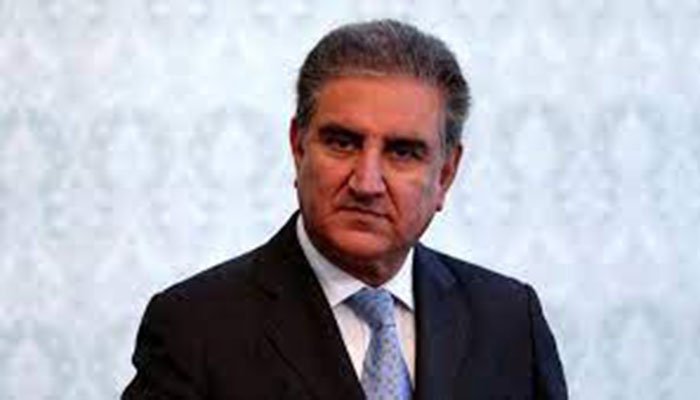
Iranian Central Bank Governor Abdolnaser Hemmati said on August 12 that Iran would “soon” join the bank, describing the NDB as one of the most important achievements of BRICS cooperation. The announcement came ahead of a BRICS finance ministers and central bank governors meeting in India.
The announcement, however, is not the same as completed membership. The NDB told Reuters that it could not confirm Iran’s membership at the time, leaving the formal accession process still to be completed.
Why Tehran Wants the BRICS Bank
For Iran, the appeal is straightforward: access to financial institutions outside the Western system.
U.S. sanctions have sharply restricted Iran’s access to international banking and capital markets, making conventional sources of development finance increasingly difficult to use. Joining the NDB would give Tehran another institutional link to a multilateral lender focused on infrastructure and sustainable-development projects.
But membership would not make sanctions disappear. Any financing involving Iranian entities would still have to navigate the wider sanctions environment and the banks, companies and contractors involved in individual projects.
That makes the move significant less because it immediately solves Iran’s financing problem and more because it expands the financial network Tehran is trying to build outside Western institutions.
From BRICS Member to BRICS Financial Institution
Iran joined BRICS in 2024, but membership in the political and economic grouping does not automatically confer membership in the NDB.
Established in 2015 by Brazil, Russia, India, China and South Africa, the NDB was created to finance infrastructure and sustainable-development projects across emerging markets. It has since expanded beyond the original five shareholders, with countries including the UAE, Egypt and Uzbekistan joining the institution.
Iran has previously expressed interest in joining the bank, making Hemmati’s announcement the latest step in a longer effort to deepen its engagement with BRICS financial institutions.
The Dollar Question
Iran’s push is also tied to a broader effort to reduce its dependence on dollar-based financial channels.
Hemmati said Iran is pursuing bilateral and trilateral monetary arrangements with BRICS partners and supporting greater use of national currencies in trade.
For Tehran, the objective is not simply to replace the dollar overnight. It is to create more ways to conduct trade and financial transactions with countries willing to maintain economic ties despite U.S. pressure.
That strategy is becoming increasingly important as Washington expands its campaign against Iran’s financial networks.
China Remains Central
China is particularly important to that strategy.
Beijing has remained Iran’s largest oil customer, with Chinese purchases accounting for more than 80% of Iran’s shipped oil in recent years, according to Kpler data cited by Reuters. But those flows are now facing greater pressure as Washington intensifies sanctions and enforcement measures.
The financial relationship therefore extends beyond trade. For Iran, deeper participation in BRICS institutions offers another layer of economic engagement with countries that have continued to maintain ties with Tehran.
Washington Raises the Stakes
The timing of Iran’s NDB push is particularly significant.
On August 24, the Trump administration announced a broader sanctions campaign aimed at Iran’s financial connections, warning countries and companies doing business with Tehran that they could face additional pressure. The measures target sectors including technology, shipping, aviation, gold and digital assets.
That puts Iran’s effort to expand non-Western financial relationships in sharper focus. China and other BRICS members may provide Tehran with alternatives, but their ability to operate around U.S. sanctions will remain a central constraint.
What Comes Next?
Iran now has to move from a political announcement to formal NDB membership.
If Tehran completes the accession process, it would add another layer to Iran’s integration with BRICS, linking its membership in the broader bloc to one of its main financial institutions.
For Iran, the move is part of a wider attempt to build economic resilience beyond Western financial channels. For BRICS, Iran’s potential entry would test how far the bloc’s financial institutions can expand their role as Western sanctions increasingly shape the global financial system.