Monday, May 4, 2026
Observer Diplomat
  • Home
  • Regions
    • US & Canada
    • China
    • Latin America & Caribbean
    • Middle East
    • Central Asia
    • South Asia
    • East Asia & The Pacific
    • Africa
    • Europe
  • Topics
    • Opinion
    • Society
    • Security
    • Economy
    • Diplomacy
    • Politics
    • Environment
  • More
    • National Days
    • Podcasts
    • Interviews
    • Books and Reviews
    • Heads of Mission In Pakistan
    • Events
  • Magazine
  • About
    • Subscription
    • Newsletter
    • About Us
    • Write For Us
    • Advertise
    • Privacy Policy
    • Contact Us
No Result
View All Result
  • Home
  • Regions
    • US & Canada
    • China
    • Latin America & Caribbean
    • Middle East
    • Central Asia
    • South Asia
    • East Asia & The Pacific
    • Africa
    • Europe
  • Topics
    • Opinion
    • Society
    • Security
    • Economy
    • Diplomacy
    • Politics
    • Environment
  • More
    • National Days
    • Podcasts
    • Interviews
    • Books and Reviews
    • Heads of Mission In Pakistan
    • Events
  • Magazine
  • About
    • Subscription
    • Newsletter
    • About Us
    • Write For Us
    • Advertise
    • Privacy Policy
    • Contact Us
No Result
View All Result
Observer Diplomat
No Result
View All Result
Home Middle East

IDF Ordered Hannibal Directive on October 7 to Prevent Hamas Taking Soldiers Captive

News Desk by News Desk
July 8, 2024
in Middle East, Security
0
IDF Ordered Hannibal Directive on October 7 to Prevent Hamas Taking Soldiers Captive
Share on FacebookShare on Twitter

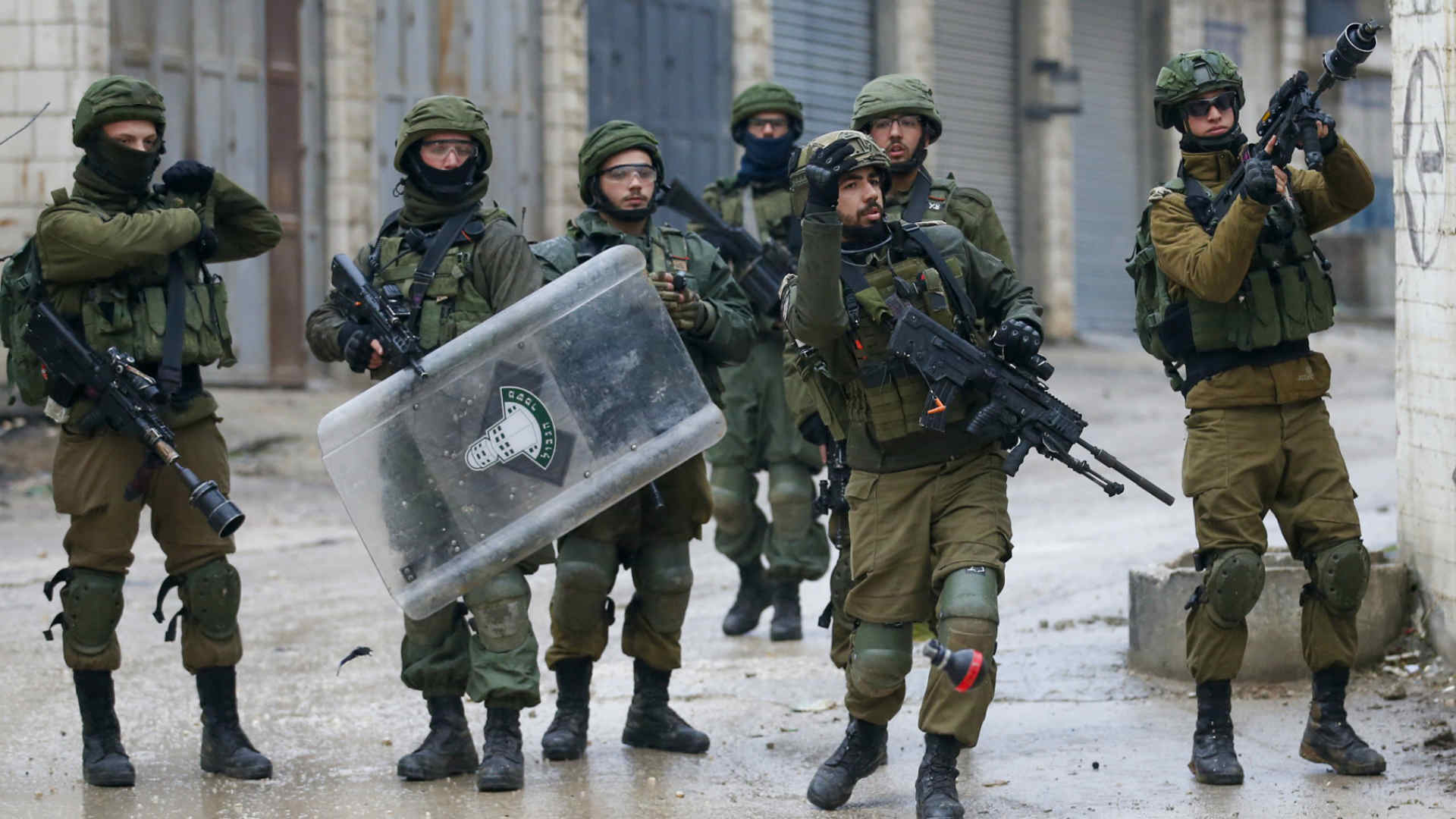
The Hannibal Directive, a controversial policy of the Israeli military aimed at preventing the capture of soldiers by enemy forces at any cost, was invoked during Hamas’s attack on October 7, 2023. This revelation comes from an investigation by the Israeli newspaper Haaretz, which detailed the decisions made by the Israeli army amidst the chaos of the attack. According to testimonies from Israeli soldiers and senior officers, the army issued an order that no vehicles were to return to Gaza, a directive that implicitly involved the use of extreme force to prevent the abduction of soldiers.

Hamas’s attack on that day led to the capture of dozens of Israelis, many of whom remain in captivity or have been killed in subsequent Israeli air strikes on Gaza. The Hannibal Directive, however, is designed specifically to apply to soldiers, not civilians, which complicated the response as many of those captured were not military personnel. Despite this, the Israeli army implemented the directive across multiple facilities infiltrated by Hamas. This resulted in a complex and tragic scenario where both soldiers and civilians were exposed to heightened risk, including potential friendly fire.

The immediate aftermath of the attack was marked by significant casualties. The death toll in Israel from Hamas’s assault was reported at 1,139, with around 250 individuals taken as captives. On the other side, more than 38,000 Palestinians were killed in Israeli attacks on Gaza since October 7, according to Al Jazeera’s tally based on official statistics. The invocation of the Hannibal Directive during this period has drawn intense scrutiny, particularly regarding its effectiveness and the ethical implications of its use.

The Hannibal Directive mandates the use of maximum force to prevent the abduction of soldiers, even at the risk of their lives. Former Israeli soldier Yehuda Shaul described the directive’s execution to Al Jazeera, stating that it involves opening fire without constraints to stop a kidnapping, potentially targeting roads, junctions, and other routes that abductors might use. This approach aims to thwart kidnappers, but the risk to the captives themselves is considerable, raising significant moral and operational questions.

Haaretz reported that the directive was specifically employed at three army facilities attacked by Hamas. Despite these measures, seven soldiers were kidnapped, and 15 spotters, along with 38 other soldiers, were killed. The cumulative data suggested that many of the kidnapped individuals were endangered by Israeli gunfire during the chaos of the response, although they were not direct targets of these operations. The ambiguity and lack of real-time intelligence complicated the implementation of the Hannibal Directive, leading to tragic outcomes.

The Hannibal Directive has a contentious history, having been invoked previously in 2014 during the war on Gaza. That instance saw significant Palestinian casualties following Israeli bombardments, with accusations of war crimes leveled against the Israeli military. The directive was believed to have been revoked in 2016, following widespread criticism and recommendations from Israel’s state comptroller to abolish it due to its problematic interpretations and application within the military.

Despite its supposed revocation, Haaretz’s investigation revealed that the Hannibal procedure was indeed employed during the October 7 attack. A senior Israeli army source confirmed this, noting that post-war investigations would clarify who authorized the order. The Israeli army has begun internal investigations into the events of October 7 and the period leading up to it. According to an army spokesperson, these investigations aim to learn from the incidents and develop lessons that could inform ongoing and future military operations. The results of these investigations will eventually be made public with transparency, the spokesperson assured.

The use of the Hannibal Directive in this context has reopened debates about its ethical and practical implications. Critics argue that the policy prioritizes military objectives over the lives of soldiers and civilians, potentially leading to unnecessary loss of life and complicating Israel’s moral standing in the international community. Proponents might argue that in the face of an unprecedented and chaotic attack, extreme measures were necessary to prevent even greater harm.

The broader impact of the October 7 events and the invocation of the Hannibal Directive continue to shape the discourse on military ethics and the rules of engagement for the Israeli army. As investigations proceed and more details emerge, the analysis of these events will likely influence future military policies and the handling of similar situations. The controversy underscores the delicate balance between operational necessity and humanitarian considerations in conflict zones, a balance that remains a central challenge for military forces worldwide.


Previous Post

Japan and Philippines have Signed a Historic Defense Pact

Next Post

Hungary’s Viktor Orban Met China’s Xi Jinping on ‘Peace Mission 3.0’

News Desk

News Desk

Next Post
Hungary’s Viktor Orban Met China’s Xi Jinping on ‘Peace Mission 3.0’

Hungary's Viktor Orban Met China's Xi Jinping on 'Peace Mission 3.0'

  • Trending
  • Comments
  • Latest
Saudi Arabia Bans 1-Year Visit Visa for 14 Countries to Curb Illegal Hajj Pilgrims

Saudi Arabia Bans 1-Year Visit Visa for 14 Countries to Curb Illegal Hajj Pilgrims

February 4, 2025
Dublin’s Closed Israeli Embassy Becomes Palestinian Museum

Dublin’s Closed Israeli Embassy Becomes Palestinian Museum

December 27, 2024
Iraq 20 Years Later: What Really Happened and Who’s Still Accountable?

Iraq 20 Years Later: What Really Happened and Who’s Still Accountable?

March 21, 2025
Newly declassified U.S. documents show that the Dalai Lama was on CIA payroll

Newly declassified U.S. documents show that the Dalai Lama was on CIA payroll

November 28, 2025
“Arakan Army”: A Greater Threat Than the Junta and a Dead End for Rohingya Rights.

“Arakan Army”: A Greater Threat Than the Junta and a Dead End for Rohingya Rights.

3
Women in Afghan media continue brave mission to keep our stories alive

Women in Afghan media continue brave mission to keep our stories alive

1
Interview of Foreign Minister of Pakistan with Chinese Journalist

Interview of Foreign Minister of Pakistan with Chinese Journalist

0
Breakfast celebration in Turkish Embassy Islamabad

Breakfast celebration in Turkish Embassy Islamabad

0
How The New Taliban Code Dehumanizes Women

How The New Taliban Code Dehumanizes Women

February 13, 2026
Donald Trump and Goebbels with gifted nobel prizes.

Donald Trump Gifted Nobel Peace Prize

February 13, 2026
Mali Removes French Colonial History from Schools to Reclaim National Identity

Mali Removes French Colonial History from Schools to Reclaim National Identity

December 5, 2025
Iraq Increases Male Control Over Marriage, Divorce, and Custody

Iraq Increases Male Control Over Marriage, Divorce, and Custody

December 5, 2025

Recent News

How The New Taliban Code Dehumanizes Women

How The New Taliban Code Dehumanizes Women

February 13, 2026
Donald Trump and Goebbels with gifted nobel prizes.

Donald Trump Gifted Nobel Peace Prize

February 13, 2026
Mali Removes French Colonial History from Schools to Reclaim National Identity

Mali Removes French Colonial History from Schools to Reclaim National Identity

December 5, 2025
Iraq Increases Male Control Over Marriage, Divorce, and Custody

Iraq Increases Male Control Over Marriage, Divorce, and Custody

December 5, 2025

Observer Diplomat is a preeminent International Affairs and Diplomatic Magazine distinguished by its women-led editorial team. Committed to delivering in-depth analyses of global events, we offer a unique and nuanced perspective on international news. Our magazine serves as a beacon of knowledge, presenting a comprehensive understanding of the intricate dynamics shaping the world today.


REGIONS

  • Africa
  • Central Asia
  • China
  • East Asia & The Pacific
  • Europe
  • North America
  • Russia
  • South Asia

TOPICS

  • Diplomacy
  • Economy
  • Environment
  • Events
  • Opinion
  • Podcasts
  • Politics

ABOUT

  • Subscription
  • Newsletter
  • About Us
  • Write For Us
  • Privacy Policy
  • Advertise
  • Contact Us

Follow us

  • About
  • Advertise
  • Privacy & Policy
  • Contact

© 2023 observerdiplomat

No Result
View All Result
  • Home
  • Regions
    • US & Canada
    • China
    • Latin America & Caribbean
    • Middle East
    • Central Asia
    • South Asia
    • East Asia & The Pacific
    • Africa
    • Europe
  • Topics
    • Opinion
    • Society
    • Security
    • Economy
    • Diplomacy
    • Politics
    • Environment
  • More
    • National Days
    • Podcasts
    • Interviews
    • Books and Reviews
    • Heads of Mission In Pakistan
    • Events
  • Magazine
  • About
    • Subscription
    • Newsletter
    • About Us
    • Write For Us
    • Advertise
    • Privacy Policy
    • Contact Us

© 2023 observerdiplomat