
The World Health Organization has declared the Ebola outbreak in the Democratic Republic of the Congo and Uganda a global health emergency, following an increase in cases connected to the uncommon Bundibugyo strain.
Spread of the virus
The news was issued one day after the top public health authority in Africa revealed that dozens of suspected deaths were connected to an outbreak in a northeastern region. The emergency alert could boost international funding and bolster international response operations throughout impacted African regions, according to WHO.
The W.H.O. reported that by Saturday, cases had also been verified in Uganda’s capital, Kampala. Only eight cases had been conclusively connected to the virus through laboratory testing in the Ituri province of Congo, where the outbreak was initially discovered, despite reports of 246 probable cases and 80 deaths tied to the virus.
How does it spread?
According to health officials, the virus is still spreading throughout the impacted areas, and they are stepping up response activities, border surveillance, and medical assistance. Ebola is a serious viral illness that is transmitted by contaminated surfaces, bodily fluids, and close human contact.
Treatment and prevention
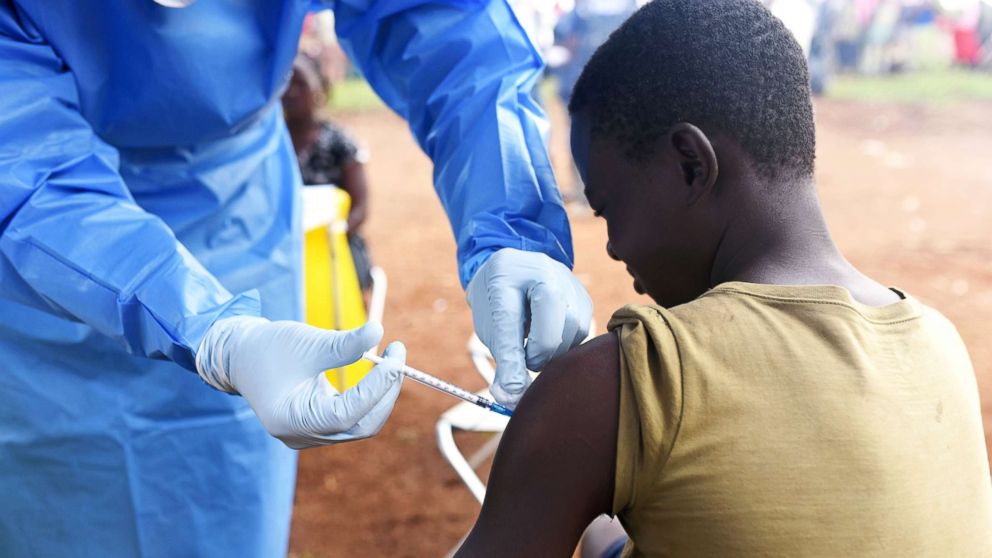
Treatment is typically provided in highly controlled, specialized isolation units to prevent the spread of the virus to healthcare workers and the community. Ebola patients can survive through early treatment and specialized medical care but no official vaccine currently exists.
According to an African agency, a humanitarian crisis, substantial population mobility, and a vast network of unofficial healthcare providers in the region all increase the chance of the outbreak spreading.
The timeliness and scope of the public health response determine whether an Ebola outbreak can be contained. Critical measures include tracking down individuals who may have interacted with victims, isolating and treating victims in a timely and safe manner, and properly burying the deceased.
Role of international community
The W.H.O. has declared a public health concern that calls for a coordinated worldwide response. This includes encouraging member nations to get ready for the virus to spread and to share vaccinations, medicines, and other resources required to prevent the epidemic.
China has already dispatched its medical team to help combat the virus. The Trump administration closed the U.S. Agency for International Development last year, despite its significant contribution to the containment of earlier outbreaks. How that might have impacted the reaction to this outbreak is unknown. Additionally, the government reduced funding for the nation’s top public health organization, the U.S. Centers for Disease Control and Prevention. It also left the W.H.O. in January. However, the rest of the international community can stil put up a united front and take coordinated action to prevent the virus from spreading.
Related Stories:
Burkina Faso replaces European attire with traditional African attire
UN Warns 14,000 Babies in Gaza Face Death Without Urgent Aid