

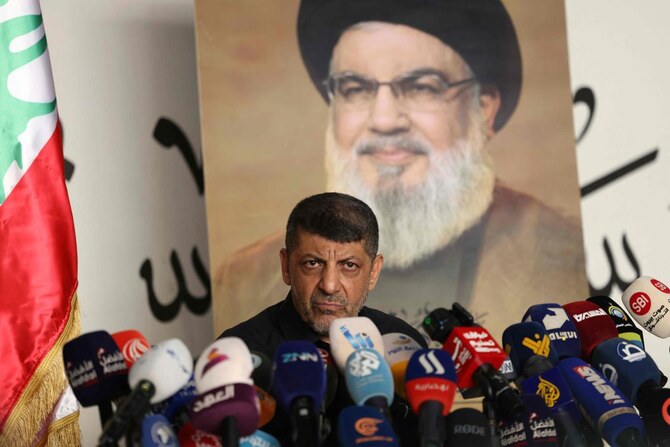
In a bold statement made on Monday, Hezbollah claimed that the Israeli military has been unable to occupy even a single village in Lebanon after six weeks of cross-border ground operations. This assertion comes amidst escalating tensions between the two sides, as the conflict continues to unfold with significant regional implications.
Hezbollah’s claim is seen as a direct challenge to Israel’s military strength, asserting that the Israeli Defense Forces (IDF), despite their technological superiority and advanced intelligence capabilities, have failed to achieve a clear territorial victory. The group also emphasizes its well-established network of fighters, fortified positions, and the difficult, mountainous terrain of southern Lebanon as key factors behind its resistance.
The Context of the Ongoing Conflict
The conflict between Hezbollah and Israel has been marked by intermittent clashes and escalations, particularly in southern Lebanon, where Hezbollah maintains a strong presence. The group’s rhetoric often points to the Israeli military’s inability to decisively control Lebanese territory, framing the narrative as a series of failed attempts at occupation. Since the beginning of Israel’s ground operations six weeks ago, Hezbollah has continued to launch attacks and engage Israeli forces, making it clear that its resistance is far from weakening.
The ongoing conflict reflects deeper geopolitical tensions. Hezbollah receives significant support from Iran, and its military activities are closely watched by both regional and international actors. Israel, on the other hand, remains focused on preventing Hezbollah from amassing more military power and securing its borders from potential attacks. The situation has created a volatile security environment, with both sides engaging in tit-for-tat operations across the border.
Hezbollah’s Military Strength
Hezbollah’s military capabilities are significant, especially in the context of its resistance against a technologically advanced military like Israel’s. Over the years, Hezbollah has fortified its position in southern Lebanon, building a complex network of tunnels, weapons depots, and missile launch sites. These preparations make it challenging for Israeli forces to make headway in the region, despite their technological and military superiority.
The group’s resistance efforts have gained it significant local support, particularly from the Shia Muslim population in southern Lebanon. This support, along with Hezbollah’s military strategy, has made it difficult for the Israeli military to achieve a decisive victory or occupy territory in the region. Instead, Israel’s operations are typically aimed at degrading Hezbollah’s infrastructure and weakening its operational capacity, rather than pursuing outright territorial occupation.
Why Has Israel Struggled to Make Ground in Lebanon?
Israel’s military superiority, especially in airpower, intelligence, and technology, is well-known. However, the military operations in southern Lebanon have proven far more complex than anticipated. Hezbollah’s entrenched presence, vast network of tunnels, missile sites, and guerrilla tactics make it a difficult adversary for conventional forces. This has hindered Israel’s ability to quickly subdue the group’s territory and infrastructure.
Hezbollah has also garnered significant support from local populations, especially the Shia community in southern Lebanon, which has bolstered its resistance capabilities. This support is critical for Hezbollah’s military strategy, enabling it to operate with a level of local intelligence and logistical backing that Israeli forces cannot easily overcome.
Despite Israel’s focus on degrading Hezbollah’s military capabilities through airstrikes and limited ground operations, the group’s ability to mount effective resistance continues to stall any Israeli attempts at territorial control. It is this resistance that Hezbollah points to in its statement, emphasizing the ongoing inability of the IDF to achieve its military goals in Lebanon.
The Israeli Response and Regional Implications
While Hezbollah’s statement presents a strong challenge to Israel’s military narrative, the Israeli government has not publicly responded to the claim. However, Israel’s military objectives likely remain focused on its broader security strategy, which includes preventing Hezbollah from expanding its missile capabilities and ensuring that Lebanese territory does not become a launch point for attacks against Israeli civilians.
The broader regional implications of the ongoing conflict are significant. The continuing clash between Hezbollah and Israel is part of the larger tensions between Israel and Iran, with Hezbollah acting as a key proxy force for Iranian interests in the region. The conflict has the potential to escalate into a wider regional war if it draws in other actors, particularly Iran and its allies.
Will Hezbollah’s Resistance Lead to a Shift in Israeli Tactics?
Given the ongoing struggle to occupy even a single Lebanese village, one critical question remains: Will Israel adapt its tactics in response to Hezbollah’s resilience, or will it persist with its current strategy? The answer could determine the trajectory of the conflict and the broader stability of the region.
As the situation continues to unfold, it remains clear that Hezbollah’s resistance is not just a challenge to Israel’s military might but a reflection of broader political and ideological divisions within the region. With both sides entrenched in their positions, the path to peace or resolution appears uncertain, and the Middle East remains on edge, waiting for the next move in this complex conflict.
Related Stories:
The Israel-Hezbollah conflict: A timeline of tension and violence
US tells Americans in Lebanon to ‘depart now’ as Hezbollah-Israel war intensifies
Israel Claims to Have Killed Hezbollah Leader Hassan Nasrallah in Beirut Strike