
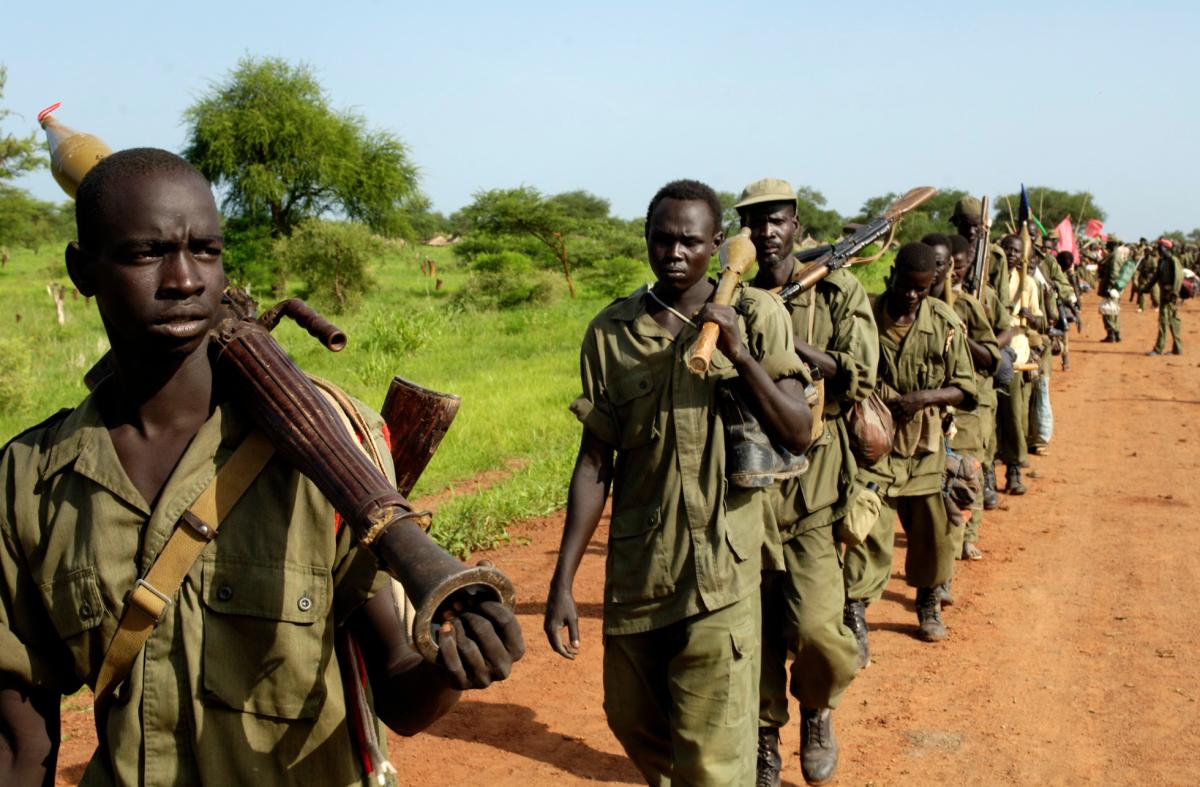
Sudan’s civil war, now in its 15th month, has plunged the country into what experts are calling the world’s worst humanitarian crisis. The conflict between the Sudanese army and the paramilitary Rapid Support Forces (RSF) has led to unprecedented levels of hunger, displacement, and suffering, particularly among children. Sudan’s civil war: A humanitarian catastrophe unfolds as millions face acute food insecurity, mass displacement, and a collapsing health care system. Sudan’s civil war: A humanitarian catastrophe unfolds, with the United Nations and other international organizations reporting staggering figures that highlight the scale of the disaster. Since the outbreak of hostilities in April 2023, over 7.7 million people have been internally displaced, according to the International Organization for Migration (IOM). This figure represents a significant portion of Sudan’s population, underscoring the widespread impact of the conflict.
The crisis extends beyond Sudan’s borders, with the IOM reporting that more than 2 million people have sought refuge in neighboring countries. Alarmingly, 55 percent of these refugees are children under the age of 18, highlighting the disproportionate impact of the war on the most vulnerable segments of society. UNICEF has declared Sudan as having the world’s largest number of displaced children, with a staggering 5 million young lives uprooted by the conflict.
The geographic distribution of the displacement within Sudan reveals the widespread nature of the crisis. The IOM reports that 36 percent of the displaced people are from Khartoum, the capital city, while 20 percent are from South Darfur and 14 percent from North Darfur. This pattern of displacement reflects the intensity of the fighting in these regions and the massive disruption to civilian life.
Beyond the immediate dangers of the conflict, Sudan is grappling with a food security crisis of historic proportions. The UN Office for the Coordination of Humanitarian Affairs (OCHA) has described the current situation as the “worst food insecurity in 20 years.” This assessment is backed by alarming statistics from various international organizations.
WHO Chief Tedros Adhanom Ghebreyesus highlighted the severity of the food crisis, stating that one in every five people in Sudan is experiencing emergency-level food insecurity. Even more concerning is his report that 755,000 people are facing catastrophic levels of hunger, while 25.6 million are experiencing acute levels of food insecurity. These figures paint a picture of a nation on the brink of a massive famine.
The International Rescue Committee (IRC) provides an even more dire assessment. Eatizaz Yousif, Sudan’s country director for the IRC, warns that nearly half of the nation requires humanitarian aid due to the ongoing war. Moreover, he estimates that 3 million people are on the brink of famine and could die from starvation without immediate intervention.
Children, as is often the case in conflicts, are bearing the brunt of this crisis. UNICEF Representative in Sudan Mandeep O’Brien reports that approximately 8.9 million Sudanese children are suffering from acute food insecurity and diseases. UNICEF Executive Director Catherine Russell went further, describing Sudan as “one of the worst places in the world” for children. She noted that millions of Sudanese children are not only malnourished but also unable to attend school, compounding the long-term impacts of the crisis on the country’s future. The root cause of this humanitarian catastrophe can be traced back to April 2023, when a power struggle erupted between army General Abdel Fattah al Burhan and RSF commander Mohamed Hamdan Dagalo. The conflict stemmed from disagreements over the integration of the RSF into the regular army, a crucial step in Sudan’s planned transition to civilian rule following the 2019 overthrow of long-time autocrat Omar al-Bashir.
While the estimated death toll from direct combat stands at around 16,000, experts believe the actual number of lives lost is much higher. This discrepancy is largely due to the collapse of Sudan’s health care system, which has left many without access to essential medical services. The breakdown of health infrastructure has exacerbated the impact of malnutrition, disease outbreaks, and untreated injuries, leading to countless indirect deaths that go unrecorded.
The international community has struggled to respond effectively to the crisis. Despite efforts by various UN agencies and NGOs, the scale of the disaster has overwhelmed available resources. Humanitarian aid workers face significant challenges in accessing affected populations due to ongoing fighting, damaged infrastructure, and bureaucratic obstacles. The protracted nature of the conflict has also led to donor fatigue, with funding for humanitarian operations falling far short of what is needed. This shortfall in resources has forced aid organizations to make difficult choices, often having to prioritize the most critical cases while leaving others without assistance.
The situation in Sudan serves as a stark reminder of the devastating impact of civil conflicts on civilian populations. It highlights the urgent need for a political solution to the crisis and a coordinated international response to address the immediate humanitarian needs. As the war enters its second year, there are growing calls for increased diplomatic efforts to bring the warring parties to the negotiating table. Recent UN-brokered ceasefire talks in Geneva have provided a glimmer of hope, but past attempts at negotiation have failed to produce lasting results.
The international community faces a critical challenge in addressing the humanitarian crisis in Sudan while also working towards a sustainable political solution. The situation demands not only immediate aid to prevent further loss of life but also long-term strategies to rebuild the country’s infrastructure, restore basic services, and create conditions for the safe return of displaced populations. As the world grapples with multiple crises, the catastrophe unfolding in Sudan serves as a stark reminder of the human cost of conflict and the urgent need for global solidarity in the face of such overwhelming humanitarian needs.
Related Article: