Friday, April 24, 2026
Observer Diplomat
  • Home
  • Regions
    • US & Canada
    • China
    • Latin America & Caribbean
    • Middle East
    • Central Asia
    • South Asia
    • East Asia & The Pacific
    • Africa
    • Europe
  • Topics
    • Opinion
    • Society
    • Security
    • Economy
    • Diplomacy
    • Politics
    • Environment
  • More
    • National Days
    • Podcasts
    • Interviews
    • Books and Reviews
    • Heads of Mission In Pakistan
    • Events
  • Magazine
  • About
    • Subscription
    • Newsletter
    • About Us
    • Write For Us
    • Advertise
    • Privacy Policy
    • Contact Us
No Result
View All Result
  • Home
  • Regions
    • US & Canada
    • China
    • Latin America & Caribbean
    • Middle East
    • Central Asia
    • South Asia
    • East Asia & The Pacific
    • Africa
    • Europe
  • Topics
    • Opinion
    • Society
    • Security
    • Economy
    • Diplomacy
    • Politics
    • Environment
  • More
    • National Days
    • Podcasts
    • Interviews
    • Books and Reviews
    • Heads of Mission In Pakistan
    • Events
  • Magazine
  • About
    • Subscription
    • Newsletter
    • About Us
    • Write For Us
    • Advertise
    • Privacy Policy
    • Contact Us
No Result
View All Result
Observer Diplomat
No Result
View All Result
Home Middle East

Understanding the Escalation in Israel’s Attacks on South Lebanon: Causes and Consequences

News Desk by News Desk
February 16, 2024
in Middle East, Security
0
Understanding the Escalation in Israel’s Attacks on South Lebanon: Causes and Consequences
Share on FacebookShare on Twitter

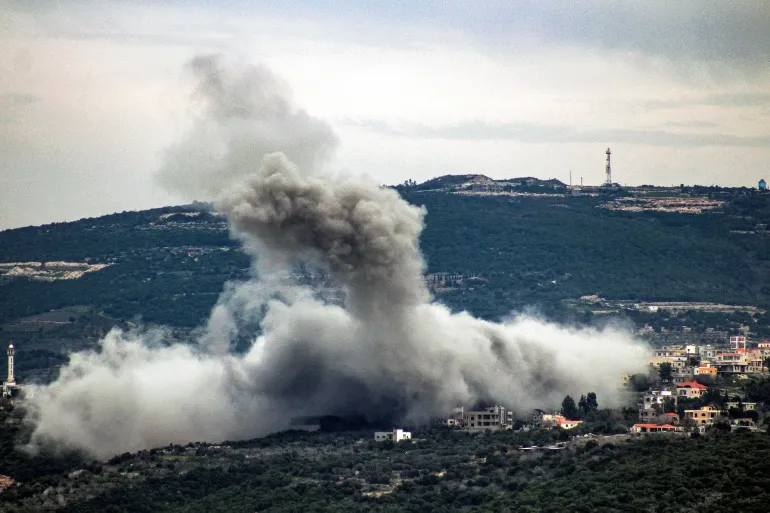
The recent surge in attacks by Israel on southern Lebanon has sparked concerns about the escalating tensions in the region. These attacks have led to casualties on both sides and raised questions about the underlying causes driving this increase in violence. In this article, we will delve into the reasons behind Israel’s intensified campaign in south Lebanon, examining the political, military, and humanitarian implications of these developments.

Political Dynamics:
One of the key factors contributing to Israel’s escalation in south Lebanon is the ongoing conflict with Hezbollah, a Shiite militant group based in Lebanon. Tensions between Israel and Hezbollah have been high for decades, stemming from historical animosities and conflicting territorial claims. Recent events, such as Hezbollah’s rocket attacks on Israeli military targets and Israel’s retaliatory strikes on Lebanese villages, have further inflamed these tensions.

Additionally, Israel’s strategic interests in the region play a significant role in its military actions. The southern border of Lebanon is considered a security threat by Israel due to the presence of armed groups like Hezbollah and the potential for cross-border attacks. Israel’s efforts to maintain control over this border area and prevent attacks on its territory drive its aggressive stance towards south Lebanon.

Military Considerations:
From a military perspective, Israel’s attacks on south Lebanon are part of a broader strategy aimed at weakening Hezbollah and deterring future aggression. By targeting Hezbollah positions, infrastructure, and supporters in southern Lebanon, Israel seeks to degrade the group’s capabilities and undermine its influence in the region. These attacks are also intended to send a message of strength and resolve to Hezbollah and other adversaries.

However, Israel’s military actions in south Lebanon are not without risks. The use of airstrikes and artillery bombardments in densely populated areas increases the likelihood of civilian casualties and collateral damage. Moreover, Hezbollah’s formidable military capabilities, including its missile arsenal and guerrilla tactics, pose a significant challenge to Israel’s military objectives.

Humanitarian Concerns:
Amidst the escalating violence, humanitarian concerns loom large in south Lebanon. Civilians bear the brunt of the conflict, facing the threat of death, injury, displacement, and destruction of their homes and livelihoods. The targeting of civilian infrastructure, such as hospitals, schools, and residential buildings, exacerbates the humanitarian crisis and violates international humanitarian law.

The displacement of tens of thousands of people from their homes further strains resources and exacerbates the suffering of vulnerable populations. Humanitarian organizations are stretched thin as they struggle to provide aid and assistance to those in need, highlighting the urgent need for a ceasefire and diplomatic resolution to the conflict.

The escalation of Israel’s attacks on south Lebanon underscores the complex political, military, and humanitarian dynamics at play in the region. Addressing the root causes of the conflict, promoting dialogue and reconciliation, and prioritizing the protection of civilians are essential steps towards achieving lasting peace and stability. As the situation continues to evolve, international engagement and concerted diplomatic efforts will be crucial in de-escalating tensions and preventing further bloodshed in south Lebanon.


Previous Post

Russia-Ukraine War: Key Events on Day 722

Next Post

Who’s Still Supplying Arms to Israel? vs. Countries Halting Support

News Desk

News Desk

Next Post
Who’s Still Supplying Arms to Israel?  vs. Countries Halting Support

Who's Still Supplying Arms to Israel? vs. Countries Halting Support

  • Trending
  • Comments
  • Latest
Saudi Arabia Bans 1-Year Visit Visa for 14 Countries to Curb Illegal Hajj Pilgrims

Saudi Arabia Bans 1-Year Visit Visa for 14 Countries to Curb Illegal Hajj Pilgrims

February 4, 2025
Dublin’s Closed Israeli Embassy Becomes Palestinian Museum

Dublin’s Closed Israeli Embassy Becomes Palestinian Museum

December 27, 2024
Iraq 20 Years Later: What Really Happened and Who’s Still Accountable?

Iraq 20 Years Later: What Really Happened and Who’s Still Accountable?

March 21, 2025
Newly declassified U.S. documents show that the Dalai Lama was on CIA payroll

Newly declassified U.S. documents show that the Dalai Lama was on CIA payroll

November 28, 2025
“Arakan Army”: A Greater Threat Than the Junta and a Dead End for Rohingya Rights.

“Arakan Army”: A Greater Threat Than the Junta and a Dead End for Rohingya Rights.

3
Women in Afghan media continue brave mission to keep our stories alive

Women in Afghan media continue brave mission to keep our stories alive

1
Interview of Foreign Minister of Pakistan with Chinese Journalist

Interview of Foreign Minister of Pakistan with Chinese Journalist

0
Breakfast celebration in Turkish Embassy Islamabad

Breakfast celebration in Turkish Embassy Islamabad

0
How The New Taliban Code Dehumanizes Women

How The New Taliban Code Dehumanizes Women

February 13, 2026
Donald Trump and Goebbels with gifted nobel prizes.

Donald Trump Gifted Nobel Peace Prize

February 13, 2026
Mali Removes French Colonial History from Schools to Reclaim National Identity

Mali Removes French Colonial History from Schools to Reclaim National Identity

December 5, 2025
Iraq Increases Male Control Over Marriage, Divorce, and Custody

Iraq Increases Male Control Over Marriage, Divorce, and Custody

December 5, 2025

Recent News

How The New Taliban Code Dehumanizes Women

How The New Taliban Code Dehumanizes Women

February 13, 2026
Donald Trump and Goebbels with gifted nobel prizes.

Donald Trump Gifted Nobel Peace Prize

February 13, 2026
Mali Removes French Colonial History from Schools to Reclaim National Identity

Mali Removes French Colonial History from Schools to Reclaim National Identity

December 5, 2025
Iraq Increases Male Control Over Marriage, Divorce, and Custody

Iraq Increases Male Control Over Marriage, Divorce, and Custody

December 5, 2025

Observer Diplomat is a preeminent International Affairs and Diplomatic Magazine distinguished by its women-led editorial team. Committed to delivering in-depth analyses of global events, we offer a unique and nuanced perspective on international news. Our magazine serves as a beacon of knowledge, presenting a comprehensive understanding of the intricate dynamics shaping the world today.


REGIONS

  • Africa
  • Central Asia
  • China
  • East Asia & The Pacific
  • Europe
  • North America
  • Russia
  • South Asia

TOPICS

  • Diplomacy
  • Economy
  • Environment
  • Events
  • Opinion
  • Podcasts
  • Politics

ABOUT

  • Subscription
  • Newsletter
  • About Us
  • Write For Us
  • Privacy Policy
  • Advertise
  • Contact Us

Follow us

  • About
  • Advertise
  • Privacy & Policy
  • Contact

© 2023 observerdiplomat

No Result
View All Result
  • Home
  • Regions
    • US & Canada
    • China
    • Latin America & Caribbean
    • Middle East
    • Central Asia
    • South Asia
    • East Asia & The Pacific
    • Africa
    • Europe
  • Topics
    • Opinion
    • Society
    • Security
    • Economy
    • Diplomacy
    • Politics
    • Environment
  • More
    • National Days
    • Podcasts
    • Interviews
    • Books and Reviews
    • Heads of Mission In Pakistan
    • Events
  • Magazine
  • About
    • Subscription
    • Newsletter
    • About Us
    • Write For Us
    • Advertise
    • Privacy Policy
    • Contact Us

© 2023 observerdiplomat