Friday, April 24, 2026
Observer Diplomat
  • Home
  • Regions
    • US & Canada
    • China
    • Latin America & Caribbean
    • Middle East
    • Central Asia
    • South Asia
    • East Asia & The Pacific
    • Africa
    • Europe
  • Topics
    • Opinion
    • Society
    • Security
    • Economy
    • Diplomacy
    • Politics
    • Environment
  • More
    • National Days
    • Podcasts
    • Interviews
    • Books and Reviews
    • Heads of Mission In Pakistan
    • Events
  • Magazine
  • About
    • Subscription
    • Newsletter
    • About Us
    • Write For Us
    • Advertise
    • Privacy Policy
    • Contact Us
No Result
View All Result
  • Home
  • Regions
    • US & Canada
    • China
    • Latin America & Caribbean
    • Middle East
    • Central Asia
    • South Asia
    • East Asia & The Pacific
    • Africa
    • Europe
  • Topics
    • Opinion
    • Society
    • Security
    • Economy
    • Diplomacy
    • Politics
    • Environment
  • More
    • National Days
    • Podcasts
    • Interviews
    • Books and Reviews
    • Heads of Mission In Pakistan
    • Events
  • Magazine
  • About
    • Subscription
    • Newsletter
    • About Us
    • Write For Us
    • Advertise
    • Privacy Policy
    • Contact Us
No Result
View All Result
Observer Diplomat
No Result
View All Result
Home Opinion

The Black Sea Grain Initiative: A Critical Imperative for Global Food Security

News Desk by News Desk
August 11, 2023
in Opinion
0
The Black Sea Grain Initiative: A Critical Imperative for Global Food Security

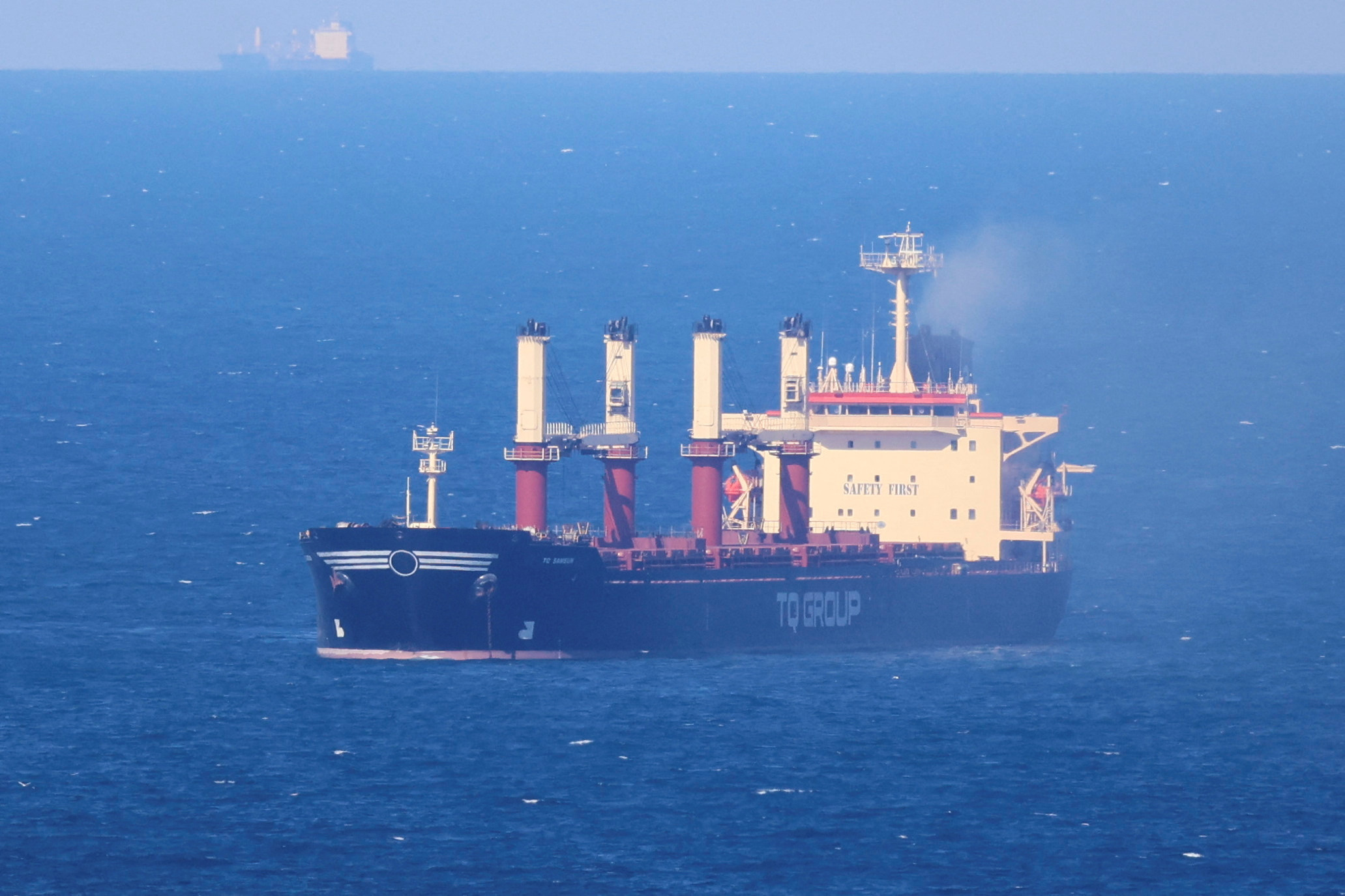
Turkish-flagged bulker TQ Samsun, carrying grain under UN's Black Sea Grain Initiative, is pictured in the Black Sea, north of Bosphorus Strait, off Istanbul, Turkey July 17, 2023. REUTERS/Yoruk Isik

Share on FacebookShare on Twitter

The Black Sea Grain Initiative was heralded as a beacon of hope for global food security, providing a lifeline for millions facing hunger due to disrupted agricultural production and exports caused by Russia’s invasion of Ukraine. The agreement effectively lowered global food prices, which had reached unprecedented highs prior to its implementation, as confirmed by the United Nations. Under the provisions of the deal, a substantial quantity of approximately 33 million metric tons of food has been successfully exported from Ukraine to 45 different countries, with a significant proportion directed towards nations classified as developing. Additionally, the initiative facilitated the transportation of over 725,000 tons of wheat to regions in dire need of assistance, such as Afghanistan, Ethiopia, Kenya, Somalia, Sudan, and Yemen, by the World Food Programme (WFP).

Moreover, the prices of frequently-traded food staples have displayed a consistent downward trend throughout the past year, plummeting by nearly a quarter from their previous peak recorded in March 2022, as indicated by the United Nations Food and Agriculture Organization’s food price index. The initiative’s success in stabilizing food prices, ensuring safe passage of essential commodities, and alleviating food shortages underscores its indispensable role in addressing the current crisis of world hunger.

It’s hard to ignore the impact of the agreement, its success in stabilizing food prices, and the consequences of its collapse. While the collapse of the Black Sea Grain Initiative is undeniably a severe setback for the world, we must consider both the imperative for restoring the agreement and the potential opportunities to enhance food security through diversification.

The collapse of the Black Sea Grain Deal is a catastrophic blow to global food security, and urgent diplomatic efforts must be undertaken to resolve the dispute between Russia and Ukraine and reinstate the agreement. Following Russia’s actions, wheat and corn prices experienced a significant surge in global commodities markets on Monday. Specifically, the most-active corn contract on the Chicago Board of Trade witnessed a 1.5 percent increase, reaching $5.21-1/4 per bushel, and even touched its highest value since June 30, peaking at $5.23 earlier in the day. In a similar vein, soybeans also demonstrated an upward trend, climbing by 1 percent to $13.84 per bushel. Additionally, wheat experienced a 1 percent gain, rising to $6.68-1/4 per bushel, and previously reaching a session high of $6.70, marking the highest value observed since July 6.

While the Black Sea Grain Initiative has undoubtedly played a significant role in mitigating food crises and stabilizing prices, its collapse should be seen as an opportunity for greater regional cooperation and diversification of food supply chains. Relying heavily on this bilateral agreement may have inadvertently left vulnerable countries exposed to risks, and exploring alternative solutions can lead to more robust and resilient food security measures.

The Black Sea Grain Deal has been a lifeline for nations grappling with food shortages, providing access to vital grain, vegetable oil, and fertilizers. With Russia and Ukraine accounting for a substantial portion of global wheat, corn, and oilseed exports, this agreement played a crucial role in stabilizing food prices and ensuring food security for millions of people.  However, despite its indisputable success, the Black Sea Grain Deal has faced setbacks, leading to its collapse. With Russia’s refusal to extend the agreement due to unmet requirements, the Black Sea Grain Initiative has disintegrated, leading to concerns over rising food prices and exacerbating food crises in vulnerable countries like Somalia, Yemen, and Lebanon.

While the collapse of the agreement is undoubtedly devastating, it also presents an opportunity for reevaluation and innovation in addressing global food security. Urgent diplomatic efforts are imperative to resolve the dispute between Russia and Ukraine and reinstate the Black Sea Grain Initiative. By engaging in dialogue and addressing each party’s concerns, a path to reviving the agreement can be charted, thereby restoring hope for millions facing the threat of starvation.

Nonetheless, we must also consider alternative approaches to enhance food security beyond relying solely on this bilateral agreement.  The collapse of the Black Sea Grain Initiative highlights the importance of diversifying food supply chains to reduce reliance on a single agreement. By fostering greater regional cooperation and seeking alternative trading partners, countries can build more robust and resilient food security systems.

The collapse of the Black Sea Grain Initiative is an urgent wake-up call for the international community to take swift action. Diplomatic efforts must be intensified to restore the agreement and protect millions from the impending threat of famine and starvation. However, this crisis also presents an opportunity for innovative thinking and regional cooperation to build more resilient food security measures. By striking a balance between reinstating the agreement and exploring alternative solutions, we can collectively address the critical imperative of global food security and ensure a brighter future for all.

By Daniela Lopez, Editor

Previous Post

Radioactive Water Discharge Sparks Global Concerns: Japan and South Korea at Odds

Next Post

Turkish President Erdogan’s Gulf Tour: Strengthening Economic Ties or Seeking Bailouts?

News Desk

News Desk

Next Post
Turkish President Erdogan’s Gulf Tour: Strengthening Economic Ties or Seeking Bailouts?

Turkish President Erdogan's Gulf Tour: Strengthening Economic Ties or Seeking Bailouts?

  • Trending
  • Comments
  • Latest
Saudi Arabia Bans 1-Year Visit Visa for 14 Countries to Curb Illegal Hajj Pilgrims

Saudi Arabia Bans 1-Year Visit Visa for 14 Countries to Curb Illegal Hajj Pilgrims

February 4, 2025
Dublin’s Closed Israeli Embassy Becomes Palestinian Museum

Dublin’s Closed Israeli Embassy Becomes Palestinian Museum

December 27, 2024
Iraq 20 Years Later: What Really Happened and Who’s Still Accountable?

Iraq 20 Years Later: What Really Happened and Who’s Still Accountable?

March 21, 2025
Newly declassified U.S. documents show that the Dalai Lama was on CIA payroll

Newly declassified U.S. documents show that the Dalai Lama was on CIA payroll

November 28, 2025
“Arakan Army”: A Greater Threat Than the Junta and a Dead End for Rohingya Rights.

“Arakan Army”: A Greater Threat Than the Junta and a Dead End for Rohingya Rights.

3
Women in Afghan media continue brave mission to keep our stories alive

Women in Afghan media continue brave mission to keep our stories alive

1
Interview of Foreign Minister of Pakistan with Chinese Journalist

Interview of Foreign Minister of Pakistan with Chinese Journalist

0
Breakfast celebration in Turkish Embassy Islamabad

Breakfast celebration in Turkish Embassy Islamabad

0
How The New Taliban Code Dehumanizes Women

How The New Taliban Code Dehumanizes Women

February 13, 2026
Donald Trump and Goebbels with gifted nobel prizes.

Donald Trump Gifted Nobel Peace Prize

February 13, 2026
Mali Removes French Colonial History from Schools to Reclaim National Identity

Mali Removes French Colonial History from Schools to Reclaim National Identity

December 5, 2025
Iraq Increases Male Control Over Marriage, Divorce, and Custody

Iraq Increases Male Control Over Marriage, Divorce, and Custody

December 5, 2025

Recent News

How The New Taliban Code Dehumanizes Women

How The New Taliban Code Dehumanizes Women

February 13, 2026
Donald Trump and Goebbels with gifted nobel prizes.

Donald Trump Gifted Nobel Peace Prize

February 13, 2026
Mali Removes French Colonial History from Schools to Reclaim National Identity

Mali Removes French Colonial History from Schools to Reclaim National Identity

December 5, 2025
Iraq Increases Male Control Over Marriage, Divorce, and Custody

Iraq Increases Male Control Over Marriage, Divorce, and Custody

December 5, 2025

Observer Diplomat is a preeminent International Affairs and Diplomatic Magazine distinguished by its women-led editorial team. Committed to delivering in-depth analyses of global events, we offer a unique and nuanced perspective on international news. Our magazine serves as a beacon of knowledge, presenting a comprehensive understanding of the intricate dynamics shaping the world today.


REGIONS

  • Africa
  • Central Asia
  • China
  • East Asia & The Pacific
  • Europe
  • North America
  • Russia
  • South Asia

TOPICS

  • Diplomacy
  • Economy
  • Environment
  • Events
  • Opinion
  • Podcasts
  • Politics

ABOUT

  • Subscription
  • Newsletter
  • About Us
  • Write For Us
  • Privacy Policy
  • Advertise
  • Contact Us

Follow us

  • About
  • Advertise
  • Privacy & Policy
  • Contact

© 2023 observerdiplomat

No Result
View All Result
  • Home
  • Regions
    • US & Canada
    • China
    • Latin America & Caribbean
    • Middle East
    • Central Asia
    • South Asia
    • East Asia & The Pacific
    • Africa
    • Europe
  • Topics
    • Opinion
    • Society
    • Security
    • Economy
    • Diplomacy
    • Politics
    • Environment
  • More
    • National Days
    • Podcasts
    • Interviews
    • Books and Reviews
    • Heads of Mission In Pakistan
    • Events
  • Magazine
  • About
    • Subscription
    • Newsletter
    • About Us
    • Write For Us
    • Advertise
    • Privacy Policy
    • Contact Us

© 2023 observerdiplomat