
On July 29, the Russian Federal Security Service (FSB) declared that Pavel Durov, the founder and CEO of Telegram, had been placed on an international wanted list due to allegations of terrorist participation. Following years of Kremlin efforts to tighten state control over Internet communications, it is one of Moscow’s most direct legal steps to date against the CEO of a significant international messaging platform.
Accusations on Durov
According to FSB Telegram’s administration had not removed channels, chats and bots that Ukraine allegedly used to recruit people to carry out sabotage operations inside Russia. The agency said the tools were used by Ukrainian intelligence agencies and extremist organisations to help plan attacks that killed civilians, including women and children. Russian officials also said a popular dating chatbot on Telegram was used to lure Russians into sabotage and terrorist activity.
How Serious is This Notice?
The real weight of this notice is uncertain. It’s unclear what kind of wanted notice Russia issued and whether other countries or law enforcement agencies would recognise it, as per reports. Durov’s legal team declined to comment while Telegram’s own response was more symbolic than substantive. The company’s account on X posted an image of Durov making an obscene gesture shortly after the charges became public.
Who is Pavel Durov
Durov himself has been a familiar face in the Moscow frays. Born in Russia, a serial tech founder who has lived abroad for years and holds French and UAE citizenship. First he created Vkontakte, often described as Russia’s answer to Facebook before being pushed out of the company as it came under pressure from the state in the mid 2010s. He then created Telegram which became one of the most popular platforms in Russia and repeatedly beat off attempts by the government to control it.
Russia’s Long Fight With Telegram
That opposition has a long history. Telegram was banned in Russia from 2018 to 2020 but authorities lifted the ban without explanation. More recently, the state has promoted a domestic alternative called Max as a replacement for both Telegram and WhatsApp. Durov has publicly denounced that effort, calling Max a state controlled app built for surveillance and political censorship.
Not His First Legal Battle
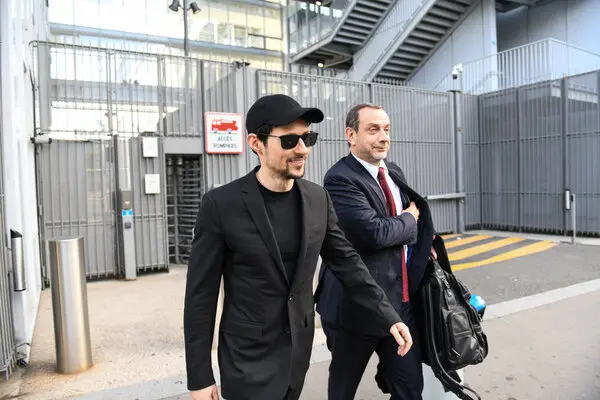
It is not the first time Durov has faced serious legal exposure over the way Telegram is run. In August 2024, French authorities issued an arrest warrant for him and he was detained at an airport near Paris on charges that the platform’s lack of moderation helped facilitate money laundering, drug trafficking and the proliferation of illegal content. Putin commented on that arrest at the time saying French authorities had acted selectively and that “ all platforms of this kind” face similar problems.
The French and Russian cases together put Durov in an odd spot, pursued by the two governments with very different politics but for a similar basic reason, his refusal to give up control of Telegram’s content and data. Analysts and rights groups have also noted that Moscow regularly charges critics and exiles with “terrorism” and “extremism” which raises questions about how much of this notice is about security and how much about pressure.
The timing is also important, the move is an extension of a wider and growing trend of Russian authorities seeking to control the domestic Internet, which has accelerated since the full scale invasion of Ukraine began in 2022.
The Bigger Picture
But what this case really shows is bigger than one CEO or one notice. It is a part of a larger pattern, increasingly states are turning to law enforcement and international channels, whether or not they have the capacity to enforce them, to pressure platforms they cannot reach. Whether Durov ever gets detained under this notice or not, the message to tech leaders is clear. Encrypted, borderless platforms are crashing ever harder upon state power and that crash is no longer confined to authoritarian states.
Related stories:
Russia to Build 8 Nuclear Power Plants in Iran
Putin, Xi Reaffirm Partnership After Russia-US Contacts
US Joins Russia in UN Vote Against Resolution Condemning Ukraine War