Friday, April 24, 2026
Observer Diplomat
  • Home
  • Regions
    • US & Canada
    • China
    • Latin America & Caribbean
    • Middle East
    • Central Asia
    • South Asia
    • East Asia & The Pacific
    • Africa
    • Europe
  • Topics
    • Opinion
    • Society
    • Security
    • Economy
    • Diplomacy
    • Politics
    • Environment
  • More
    • National Days
    • Podcasts
    • Interviews
    • Books and Reviews
    • Heads of Mission In Pakistan
    • Events
  • Magazine
  • About
    • Subscription
    • Newsletter
    • About Us
    • Write For Us
    • Advertise
    • Privacy Policy
    • Contact Us
No Result
View All Result
  • Home
  • Regions
    • US & Canada
    • China
    • Latin America & Caribbean
    • Middle East
    • Central Asia
    • South Asia
    • East Asia & The Pacific
    • Africa
    • Europe
  • Topics
    • Opinion
    • Society
    • Security
    • Economy
    • Diplomacy
    • Politics
    • Environment
  • More
    • National Days
    • Podcasts
    • Interviews
    • Books and Reviews
    • Heads of Mission In Pakistan
    • Events
  • Magazine
  • About
    • Subscription
    • Newsletter
    • About Us
    • Write For Us
    • Advertise
    • Privacy Policy
    • Contact Us
No Result
View All Result
Observer Diplomat
No Result
View All Result
Home East Asia & The Pacific

President Yoon Declared and Uplifted Martial Law In South Korea

News Desk by News Desk
December 5, 2024
in East Asia & The Pacific, Politics
0
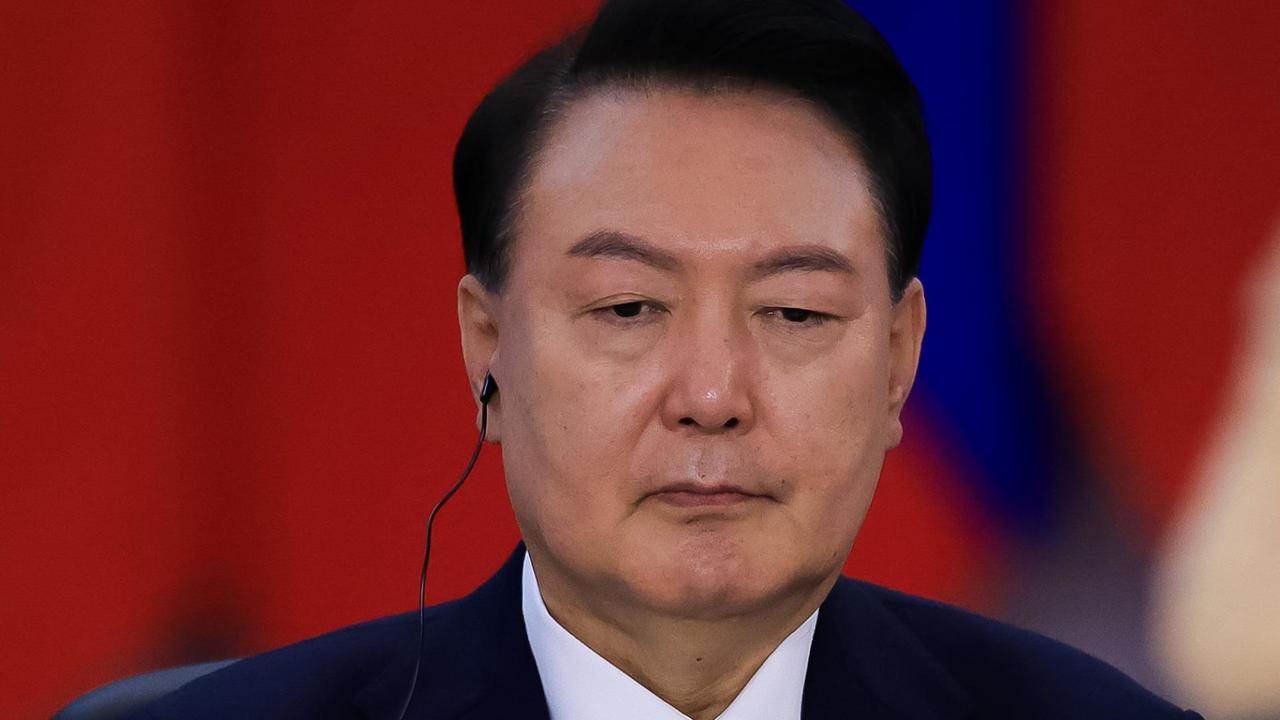
President Yoon Declared and Uplifted Martial Law In South Korea
Share on FacebookShare on Twitter

South Korea was thrown into political and social turmoil after President Yoon Suk Yeol declared martial law on December 3, 2024, marking the first such decree since the country transitioned to democracy in the late 1980s. The move, which was quickly reversed under intense public and parliamentary pressure, has left the nation grappling with its worst crisis in decades.

Why Was Martial Law Imposed?

President Yoon justified his surprise declaration as a measure to protect the country from “pro-North Korea anti-state forces” and an opposition he accused of attempting to “overthrow free democracy.” He claimed the opposition-controlled National Assembly was undermining national security and fostering instability.

The move also followed weeks of escalating tensions, including mass protests demanding Yoon’s resignation, ongoing impeachment attempts targeting his administration, and a political deadlock over key policies. Yoon argued that martial law was necessary to restore order and root out what he described as threats to the state.

The declaration granted the military extraordinary powers, such as suspending political activities, restricting the press, ordering striking workers back to their jobs, and authorizing arrests without warrants.

Significance of the Declaration

The imposition of martial law marked the first such measure since South Korea’s military dictatorship ended in 1987, underscoring the severity of the country’s political crisis. It also highlighted deep ideological divisions between the conservative government and the liberal opposition.

For South Koreans, the declaration served as a stark reminder of the country’s authoritarian past. The sight of military vehicles patrolling Seoul’s streets and soldiers blocking the National Assembly reignited fears about the fragility of democracy.

Internationally, the move drew condemnation from democratic allies and human rights organizations, raising concerns about South Korea’s political stability and commitment to democratic principles.

Martial Law Declared to Counter “Anti-State Forces”

In a televised address, Yoon accused opposition lawmakers and labor movements of being pro-North Korea and claimed they posed an existential threat to the country’s democratic order. The sweeping powers granted to the military were intended to neutralize these so-called “anti-state forces.”

The president’s actions followed months of political strife, including his administration’s record-low approval ratings of 25%, an influence-peddling scandal, and clashes with a legislature controlled by the opposition. Yoon’s critics, however, viewed the martial law declaration as a desperate attempt to cling to power.

Swift and Unified Resistance

The response to Yoon’s actions was immediate and widespread. Tens of thousands of citizens took to the streets in Seoul, demanding an end to martial law and Yoon’s resignation. The opposition-controlled National Assembly, despite being blockaded by the military, convened an emergency session. In a dramatic show of resistance, lawmakers broke into the building through windows to cast their votes.

In an overwhelming 190-110 decision, the Assembly rejected the martial law decree. Notably, 18 members of Yoon’s own party joined the opposition in voting against the measure, signaling a rare moment of bipartisan defiance.

Military Repression Sparks Global Condemnation  

While Yoon initially deployed military vehicles and personnel throughout Seoul, the global response to the crackdown was swift. International observers, including the United Nations and major allies like the United States, expressed concern over the suspension of civil liberties in one of Asia’s most vibrant democracies.

The protests also garnered significant attention due to the historical parallels with South Korea’s military dictatorships, which ended in the late 1980s after years of struggle for democracy.

Uncertain Aftermath 

Although Yoon rescinded the martial law decree mere hours after its implementation, the crisis has left a deep scar on the country’s political landscape. The confrontation underscored the fragility of democratic institutions in the face of escalating ideological divisions.

For many citizens, the imposition of martial law—even briefly—has eroded trust in the government. “This is not the democracy we fought for,” said a protester in central Seoul. “We will not allow the clock to turn back to dictatorship.”

Implications for South Korea’s Future

The suspension of civil liberties under martial law, even temporarily, has raised concerns about the state of South Korea’s democracy. The military’s compliance with Yoon’s orders sparked fears of authoritarian tendencies, while his rhetoric against the opposition has intensified polarization.

The nation now faces a critical juncture. While Yoon remains in power for the time being, calls for his resignation have only grown louder. Observers warn that continued instability could have far-reaching consequences, including heightened tensions with North Korea and diminished public confidence in democratic governance.

The next steps, including whether Yoon’s administration can mend ties with the legislature and the public, will determine the course of this crisis and its impact on South Korea’s democracy.

Related Stories:

Tensions Escalate as South Korea Fires Shots at North Korean Border Breach

Strengthening the US-South Korea Alliance Against North Korean Nuclear Threat

US, South Korea, and Japan Unite Against North Korea’s Nuclear Threat: Can International Cooperation Curb the Escalating Crisis?

Previous Post

Prime Minister Shahbaz Sharif Attends ‘One Water Summit’ in Riyadh

Next Post

In Bangladesh $16b Laundered Annually Under Ex-PM Hasina’s Rule, White Paper Report

News Desk

News Desk

Next Post
In Bangladesh $16b Laundered Annually Under Ex-PM Hasina’s Rule, White Paper Report

In Bangladesh $16b Laundered Annually Under Ex-PM Hasina's Rule, White Paper Report

  • Trending
  • Comments
  • Latest
Saudi Arabia Bans 1-Year Visit Visa for 14 Countries to Curb Illegal Hajj Pilgrims

Saudi Arabia Bans 1-Year Visit Visa for 14 Countries to Curb Illegal Hajj Pilgrims

February 4, 2025
Dublin’s Closed Israeli Embassy Becomes Palestinian Museum

Dublin’s Closed Israeli Embassy Becomes Palestinian Museum

December 27, 2024
Iraq 20 Years Later: What Really Happened and Who’s Still Accountable?

Iraq 20 Years Later: What Really Happened and Who’s Still Accountable?

March 21, 2025
Newly declassified U.S. documents show that the Dalai Lama was on CIA payroll

Newly declassified U.S. documents show that the Dalai Lama was on CIA payroll

November 28, 2025
“Arakan Army”: A Greater Threat Than the Junta and a Dead End for Rohingya Rights.

“Arakan Army”: A Greater Threat Than the Junta and a Dead End for Rohingya Rights.

3
Women in Afghan media continue brave mission to keep our stories alive

Women in Afghan media continue brave mission to keep our stories alive

1
Interview of Foreign Minister of Pakistan with Chinese Journalist

Interview of Foreign Minister of Pakistan with Chinese Journalist

0
Breakfast celebration in Turkish Embassy Islamabad

Breakfast celebration in Turkish Embassy Islamabad

0
How The New Taliban Code Dehumanizes Women

How The New Taliban Code Dehumanizes Women

February 13, 2026
Donald Trump and Goebbels with gifted nobel prizes.

Donald Trump Gifted Nobel Peace Prize

February 13, 2026
Mali Removes French Colonial History from Schools to Reclaim National Identity

Mali Removes French Colonial History from Schools to Reclaim National Identity

December 5, 2025
Iraq Increases Male Control Over Marriage, Divorce, and Custody

Iraq Increases Male Control Over Marriage, Divorce, and Custody

December 5, 2025

Recent News

How The New Taliban Code Dehumanizes Women

How The New Taliban Code Dehumanizes Women

February 13, 2026
Donald Trump and Goebbels with gifted nobel prizes.

Donald Trump Gifted Nobel Peace Prize

February 13, 2026
Mali Removes French Colonial History from Schools to Reclaim National Identity

Mali Removes French Colonial History from Schools to Reclaim National Identity

December 5, 2025
Iraq Increases Male Control Over Marriage, Divorce, and Custody

Iraq Increases Male Control Over Marriage, Divorce, and Custody

December 5, 2025

Observer Diplomat is a preeminent International Affairs and Diplomatic Magazine distinguished by its women-led editorial team. Committed to delivering in-depth analyses of global events, we offer a unique and nuanced perspective on international news. Our magazine serves as a beacon of knowledge, presenting a comprehensive understanding of the intricate dynamics shaping the world today.


REGIONS

  • Africa
  • Central Asia
  • China
  • East Asia & The Pacific
  • Europe
  • North America
  • Russia
  • South Asia

TOPICS

  • Diplomacy
  • Economy
  • Environment
  • Events
  • Opinion
  • Podcasts
  • Politics

ABOUT

  • Subscription
  • Newsletter
  • About Us
  • Write For Us
  • Privacy Policy
  • Advertise
  • Contact Us

Follow us

  • About
  • Advertise
  • Privacy & Policy
  • Contact

© 2023 observerdiplomat

No Result
View All Result
  • Home
  • Regions
    • US & Canada
    • China
    • Latin America & Caribbean
    • Middle East
    • Central Asia
    • South Asia
    • East Asia & The Pacific
    • Africa
    • Europe
  • Topics
    • Opinion
    • Society
    • Security
    • Economy
    • Diplomacy
    • Politics
    • Environment
  • More
    • National Days
    • Podcasts
    • Interviews
    • Books and Reviews
    • Heads of Mission In Pakistan
    • Events
  • Magazine
  • About
    • Subscription
    • Newsletter
    • About Us
    • Write For Us
    • Advertise
    • Privacy Policy
    • Contact Us

© 2023 observerdiplomat