Friday, April 24, 2026
Observer Diplomat
  • Home
  • Regions
    • US & Canada
    • China
    • Latin America & Caribbean
    • Middle East
    • Central Asia
    • South Asia
    • East Asia & The Pacific
    • Africa
    • Europe
  • Topics
    • Opinion
    • Society
    • Security
    • Economy
    • Diplomacy
    • Politics
    • Environment
  • More
    • National Days
    • Podcasts
    • Interviews
    • Books and Reviews
    • Heads of Mission In Pakistan
    • Events
  • Magazine
  • About
    • Subscription
    • Newsletter
    • About Us
    • Write For Us
    • Advertise
    • Privacy Policy
    • Contact Us
No Result
View All Result
  • Home
  • Regions
    • US & Canada
    • China
    • Latin America & Caribbean
    • Middle East
    • Central Asia
    • South Asia
    • East Asia & The Pacific
    • Africa
    • Europe
  • Topics
    • Opinion
    • Society
    • Security
    • Economy
    • Diplomacy
    • Politics
    • Environment
  • More
    • National Days
    • Podcasts
    • Interviews
    • Books and Reviews
    • Heads of Mission In Pakistan
    • Events
  • Magazine
  • About
    • Subscription
    • Newsletter
    • About Us
    • Write For Us
    • Advertise
    • Privacy Policy
    • Contact Us
No Result
View All Result
Observer Diplomat
No Result
View All Result
Home Security

NATO at 75: Emerging Trends in Cyber-Security Infrastructure

News Desk by News Desk
June 14, 2024
in Security
0
NATO at 75: Emerging Trends in Cyber-Security Infrastructure
Share on FacebookShare on Twitter

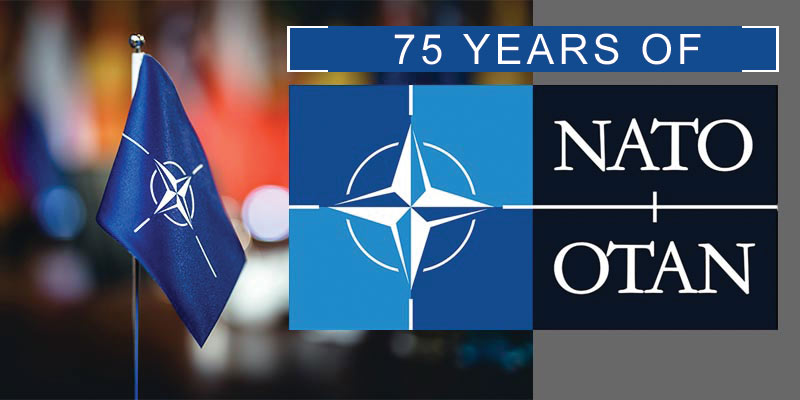
As NATO celebrates its 75th anniversary, the alliance faces increasingly complex cyber-security challenges from state and non-state actors. The evolving geopolitical landscape underscores the importance of integrating cyber-security into NATO’s strategic interests. The Strategic Concept of 2022 emphasizes the necessity of technological advancements for military success, prompting NATO to adopt emerging and disruptive technologies to maintain peace and security.

The Russia-Ukraine conflict exemplifies the weaponization of cyber-security infrastructure, with targeted attacks on data centers and energy facilities. The establishment of the NATO Cyber Security Centre (NCSC) in Mons, Belgium, showcases NATO’s capabilities within the technology ecosystem. Key features of current cyber threats include protecting networks, infrastructure, and missions. The Vilnius Summit in Lithuania further highlighted NATO’s commitment to enhancing cyber resilience against threats.

Protecting Critical Infrastructure

Cyber-attacks against NATO have included targeting critical infrastructure during national emergencies and elections. Preparing both military personnel and civilians for worst-case scenarios is crucial, as attacks can weaken defense capabilities by compromising electronic devices. The capabilities of non-state actors, such as ISIS, in disrupting critical infrastructure are significant. For example, the hacking of the Democratic Party National Committee in 2016 and the data breach affecting 33 million French citizens in January 2024 underscore the vulnerability of critical systems.

The UK Intelligence and Security Committee’s Annual Report to Parliament highlights the potential for cyber-attacks to disrupt operations, communications, and weapons systems. NATO must develop infrastructure to mitigate damage to essential public infrastructure by denying attackers’ communication systems. Recent cyber-attacks have targeted cloud connectivity, operational technology (OT) devices, and the internet of things (IoT), increasing the prevalence of these technologies in NATO countries.

The Role of Cyber Criminals

Cyber-criminals from various countries have targeted NATO by using techniques like ‘trojan horses’ to gain access to cyber-infrastructure. These attacks often involve collecting sensitive information about network architecture, which can then be transferred to adversaries. Targeted email attacks with embedded codes and attachments pose significant security risks.

NATO has responded by utilizing the NATO Computer Incident Response Capability (NCIRC) to assess system vulnerabilities, conduct penetration testing, and enhance risk management. These measures focus on defensive strategies to minimize the effects of cyber intrusions, prevention, and detection. However, the growing geopolitical disturbances in Europe, particularly due to the Ukraine conflict, have increased cyber threats against governments, think tanks, IT companies, and humanitarian organizations in NATO countries.

Addressing Cyber-Security Challenges

The rise in cyber threats is linked to a lack of preparedness, leading to data exfiltration and destruction. In March 2024, NATO suffered a breach resulting in the loss of sensitive data, including personnel information, confidential contacts, and military maps. Improving NATO’s computer networks and institutions is a priority, highlighting the need for capacity-building among member countries and enhanced information sharing and incident management.

Conclusion

NATO has recognized the importance of cyber-security strategies that involve sharing sensitive information and building robust defenses around critical infrastructure. The rapid advancement of cyber threats necessitates defining cyber-attacks clearly and understanding the scope of information warfare. To effectively defend against and deter cyber-attacks, NATO must consider the diverse range of stakeholders involved and continue developing comprehensive cyber-security capabilities and incident response mechanisms.
In conclusion, as NATO continues to evolve in response to emerging cyber-security challenges, it must prioritize technological innovation and international cooperation to safeguard its member states’ security and resilience in an increasingly digital world.


Previous Post

Pakistan’s Dilemma: Attending the Ukraine Peace Summit

Next Post

NATO to Enhance Coordination of Military Aid for Ukraine

News Desk

News Desk

Next Post
NATO to Enhance Coordination of Military Aid for Ukraine

NATO to Enhance Coordination of Military Aid for Ukraine

  • Trending
  • Comments
  • Latest
Saudi Arabia Bans 1-Year Visit Visa for 14 Countries to Curb Illegal Hajj Pilgrims

Saudi Arabia Bans 1-Year Visit Visa for 14 Countries to Curb Illegal Hajj Pilgrims

February 4, 2025
Dublin’s Closed Israeli Embassy Becomes Palestinian Museum

Dublin’s Closed Israeli Embassy Becomes Palestinian Museum

December 27, 2024
Iraq 20 Years Later: What Really Happened and Who’s Still Accountable?

Iraq 20 Years Later: What Really Happened and Who’s Still Accountable?

March 21, 2025
Newly declassified U.S. documents show that the Dalai Lama was on CIA payroll

Newly declassified U.S. documents show that the Dalai Lama was on CIA payroll

November 28, 2025
“Arakan Army”: A Greater Threat Than the Junta and a Dead End for Rohingya Rights.

“Arakan Army”: A Greater Threat Than the Junta and a Dead End for Rohingya Rights.

3
Women in Afghan media continue brave mission to keep our stories alive

Women in Afghan media continue brave mission to keep our stories alive

1
Interview of Foreign Minister of Pakistan with Chinese Journalist

Interview of Foreign Minister of Pakistan with Chinese Journalist

0
Breakfast celebration in Turkish Embassy Islamabad

Breakfast celebration in Turkish Embassy Islamabad

0
How The New Taliban Code Dehumanizes Women

How The New Taliban Code Dehumanizes Women

February 13, 2026
Donald Trump and Goebbels with gifted nobel prizes.

Donald Trump Gifted Nobel Peace Prize

February 13, 2026
Mali Removes French Colonial History from Schools to Reclaim National Identity

Mali Removes French Colonial History from Schools to Reclaim National Identity

December 5, 2025
Iraq Increases Male Control Over Marriage, Divorce, and Custody

Iraq Increases Male Control Over Marriage, Divorce, and Custody

December 5, 2025

Recent News

How The New Taliban Code Dehumanizes Women

How The New Taliban Code Dehumanizes Women

February 13, 2026
Donald Trump and Goebbels with gifted nobel prizes.

Donald Trump Gifted Nobel Peace Prize

February 13, 2026
Mali Removes French Colonial History from Schools to Reclaim National Identity

Mali Removes French Colonial History from Schools to Reclaim National Identity

December 5, 2025
Iraq Increases Male Control Over Marriage, Divorce, and Custody

Iraq Increases Male Control Over Marriage, Divorce, and Custody

December 5, 2025

Observer Diplomat is a preeminent International Affairs and Diplomatic Magazine distinguished by its women-led editorial team. Committed to delivering in-depth analyses of global events, we offer a unique and nuanced perspective on international news. Our magazine serves as a beacon of knowledge, presenting a comprehensive understanding of the intricate dynamics shaping the world today.


REGIONS

  • Africa
  • Central Asia
  • China
  • East Asia & The Pacific
  • Europe
  • North America
  • Russia
  • South Asia

TOPICS

  • Diplomacy
  • Economy
  • Environment
  • Events
  • Opinion
  • Podcasts
  • Politics

ABOUT

  • Subscription
  • Newsletter
  • About Us
  • Write For Us
  • Privacy Policy
  • Advertise
  • Contact Us

Follow us

  • About
  • Advertise
  • Privacy & Policy
  • Contact

© 2023 observerdiplomat

No Result
View All Result
  • Home
  • Regions
    • US & Canada
    • China
    • Latin America & Caribbean
    • Middle East
    • Central Asia
    • South Asia
    • East Asia & The Pacific
    • Africa
    • Europe
  • Topics
    • Opinion
    • Society
    • Security
    • Economy
    • Diplomacy
    • Politics
    • Environment
  • More
    • National Days
    • Podcasts
    • Interviews
    • Books and Reviews
    • Heads of Mission In Pakistan
    • Events
  • Magazine
  • About
    • Subscription
    • Newsletter
    • About Us
    • Write For Us
    • Advertise
    • Privacy Policy
    • Contact Us

© 2023 observerdiplomat