

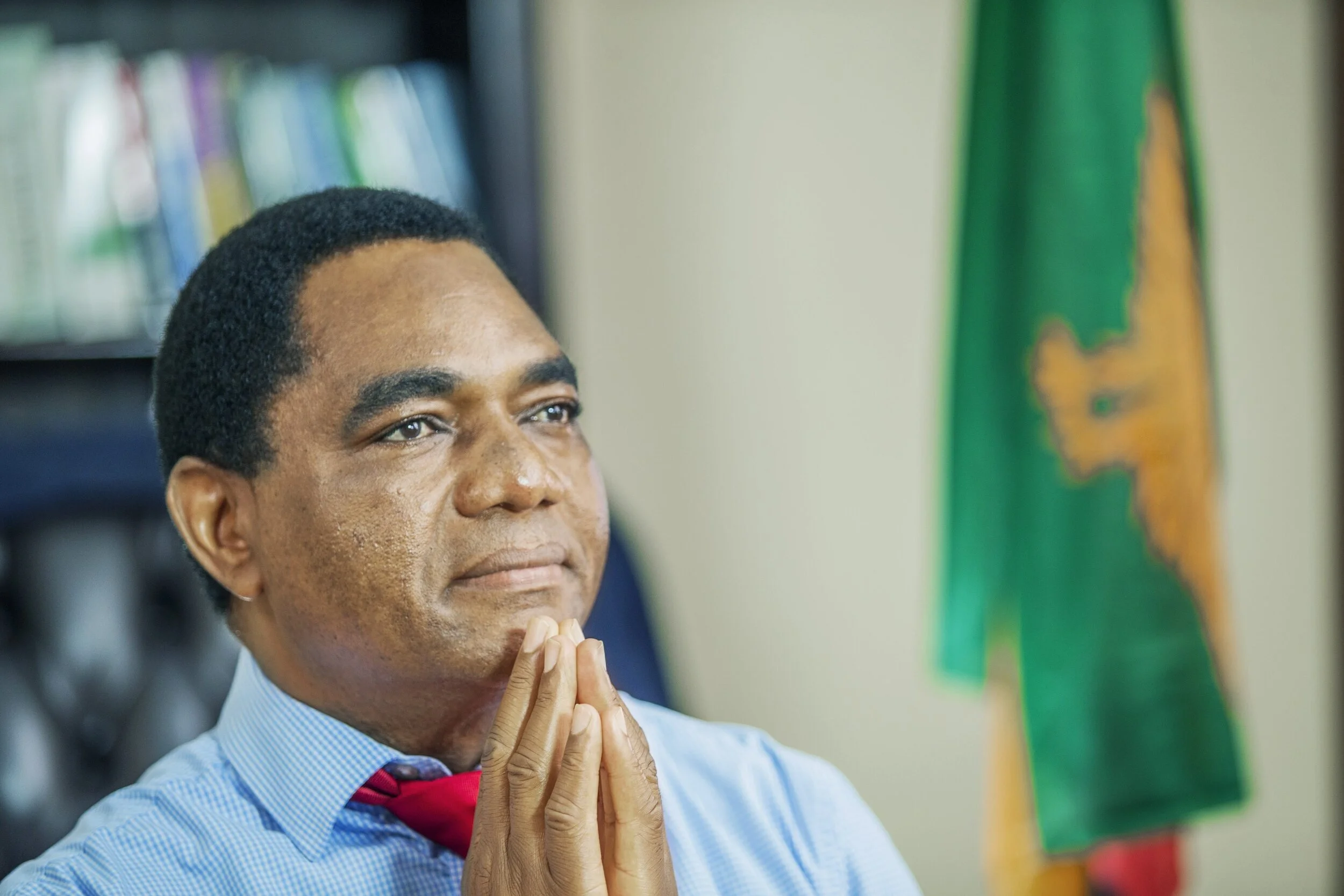
Zambia has officially turned its free education policy into a permanent legal right after President Hakainde Hichilema signed a landmark bill into law.
Free Education Becomes Law in Zambia
While tuition fees from early childhood through secondary school were already scrapped back in 2021 as part of Hichilema’s election campaign, the policy previously functioned only as an administrative measure. This left it vulnerable to inconsistent enforcement and potential reversals by future governments.
By anchoring the policy in legislation, the government has given families solid legal backing to challenge any public school that attempts to charge illegal fees. The new law guarantees that no child can be turned away from a public classroom due to an inability to pay, securing the program’s long-term future and requiring parliamentary approval for any changes.
Boosted school enrollment
Since its initial rollout in 2021, the free education initiative has dramatically boosted school enrollment across Zambia, prompting the government to hire over 41,000 new teachers and expand school meal programs. The legislation protects a policy that has helped bring approximately 2.6 million children back into classrooms. This has expanded access to education and reducing financial barriers for families across the country. President Hichilema called the signing a “historic day for Zambia,” noting that the broader bill also packages in vital reforms aimed at improving worker protections and pension security.
According to the administration, the combined legislation is designed to uplift citizens at every stage of life—strengthening accountability in schools, safeguarding equity, and driving the country’s long-term economic development.
Reduced poverty and improved lifestyle
Beyond the immediate influx of students, cementing free education into law serves as a powerful catalyst for breaking generational cycles of poverty across Zambia. By removing financial barriers, the policy empowers girls and rural youth. The demographics historically most vulnerable to dropping out when families face economic hardship. In addition, a legally protected education guaranteed, these students are far less likely to face early marriages or forced entry into the informal labor market. In the long run, this creates a more literate, skilled, and resilient workforce capable of driving innovation in agriculture, technology, and governance. Conclusively, This step will ultimately transform Zambia’s economic landscape from the grassroots up.
Related Stories:
Burkina Faso replaces European attire with traditional African attire
Pakistan Ranks With African Countries for Highest Maternal Deaths Worldwide