
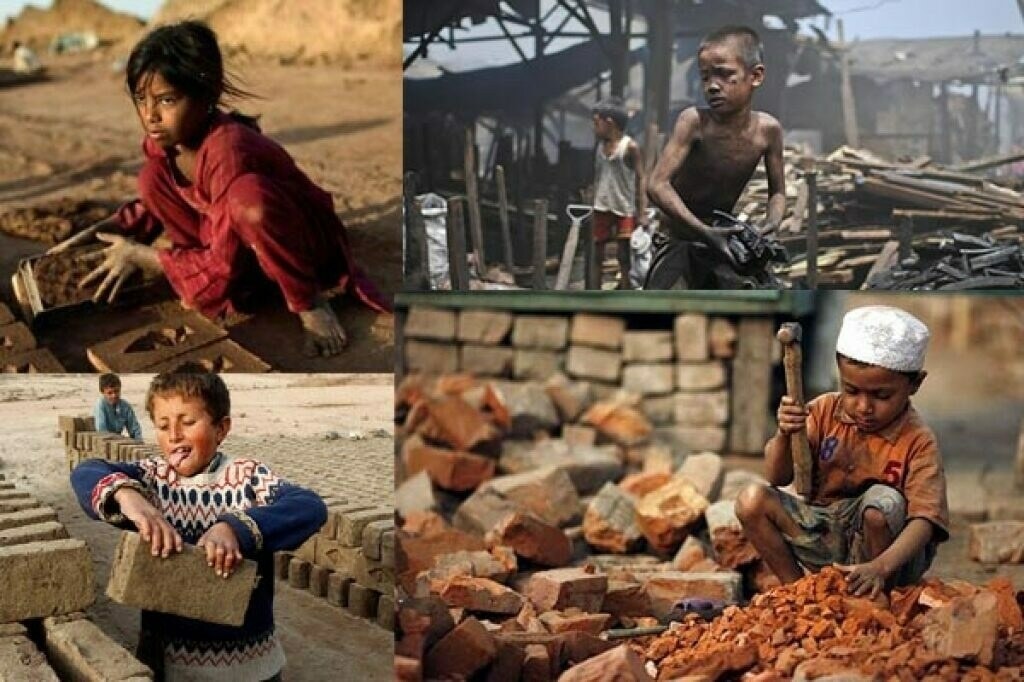
Pakistan faces a severe child labour crisis that threatens the future of millions of its youngest citizens. Despite constitutional protections and international commitments, the country struggles to eradicate this pervasive issue. The scale of the problem is staggering, with an estimated 12 million children engaged in various forms of labour across multiple sectors. This article explores the depth of the crisis, its causes, consequences, and potential solutions to address this critical challenge facing Pakistan.
The Scope of Child Labour in Pakistan
Child labour in Pakistan is visible across various sectors of the economy. Children as young as five years old can be found working in agriculture, factories, brick kilns, domestic service, and even on the streets. The agricultural sector alone employs a significant proportion of child workers, where they assist in planting and harvesting crops often under harsh and dangerous conditions. In urban areas, children work as domestic helpers, tea servers in roadside cafes, and even as beggars on the streets.
The conditions under which these children work are often hazardous and exploitative. Many are exposed to toxic substances, heavy machinery, and physically demanding tasks without any protective measures. Long working hours, poor wages, and unsafe environments are common, robbing these children of their childhood and exposing them to various forms of abuse.
Root Causes of the Child Labour Crisis
1. Poverty and Economic Necessity:
Poverty remains the primary driver of child labour in Pakistan. Many families rely on the additional income generated by their children to make ends meet. Even middle-class parents, unable to afford school fees, sometimes resort to sending their children to work instead of school.
2. Inadequate Social Safety Nets:
The lack of robust social protection programs exacerbates the situation. Limited access to healthcare, education, and welfare services leaves vulnerable families with few alternatives but to engage their children in labour.
3. Cultural Norms and Attitudes:
In some communities, child labour is accepted as a norm, with little awareness or recognition of children’s rights. This cultural acceptance makes it challenging to combat the issue and change attitudes towards children’s roles in society.
4. Gender Discrimination:
Girls are often more vulnerable to exploitation and abuse, frequently employed as domestic workers or caregivers. Some are even forced into early marriages, further limiting their educational and developmental opportunities.
The Impact of Child Labour
Child Labour and Education:
One of the most devastating impacts of child labour is the deprivation of education. Despite Article 25A of the Pakistani Constitution guaranteeing free and compulsory education for all children aged 5 to 16, more than 26 million children in Pakistan are out of school. Many of these children are engaged in labour, missing out on the opportunity to acquire skills and knowledge necessary for better future employment prospects.
Physical and Psychological Consequences:
Child labour often involves severe abuse and exploitation. Children working in hazardous conditions face risks to their physical health and safety. Moreover, the emotional and psychological trauma inflicted by harsh treatment, verbal abuse, and lack of a nurturing environment can leave deep scars, affecting their mental health and future well-being.
Perpetuating the Cycle of Poverty:
By depriving children of education and exposing them to exploitation, child labour perpetuates the cycle of poverty. Without proper education and skills, these children are likely to remain trapped in low-paying, unskilled jobs as adults, continuing the cycle with their own children.
Addressing the Child Labour Crisis
Legal Enforcement and Policy Implementation:
While Pakistan has laws against child labour, their enforcement remains weak. Stricter implementation of existing laws, regular workplace inspections, and harsher penalties for violators are crucial steps in combating this issue.
Expanding Access to Education:
Improving access to quality education is vital. The government must invest in building and maintaining schools, especially in rural and underserved areas. Financial incentives such as scholarships, free uniforms, and meals can encourage families to prioritize education over child labour.
Social Protection Programs:
Implementing comprehensive social protection programs can support vulnerable families and reduce their dependence on child labour. This can include cash transfers, healthcare services, and livelihood programs that provide alternative sources of income.
Raising Awareness and Changing Attitudes:
Civil society organizations play a critical role in advocating for children’s rights and raising awareness about the detrimental effects of child labour. Community-based initiatives can help change societal attitudes and promote the value of education.
The child labour crisis in Pakistan is a complex issue that requires a multifaceted approach to address effectively. It’s not just a matter of law enforcement but a challenge that touches on deep-rooted social, economic, and cultural issues. Tackling this crisis demands concerted efforts from the government, civil society, and the international community. By prioritizing children’s rights, improving access to education, and providing support to vulnerable families, Pakistan can work towards eradicating child labour and ensuring a brighter future for its youngest citizens. The path forward is challenging, but the moral imperative to protect and nurture the nation’s children makes it a journey worth undertaking.
Related News