Sunday, May 17, 2026
Observer Diplomat
  • Home
  • Regions
    • US & Canada
    • China
    • Latin America & Caribbean
    • Middle East
    • Central Asia
    • South Asia
    • East Asia & The Pacific
    • Africa
    • Europe
  • Topics
    • Opinion
    • Society
    • Security
    • Economy
    • Diplomacy
    • Politics
    • Environment
  • More
    • National Days
    • Podcasts
    • Interviews
    • Books and Reviews
    • Heads of Mission In Pakistan
    • Events
  • Magazine
  • About
    • Subscription
    • Newsletter
    • About Us
    • Write For Us
    • Advertise
    • Privacy Policy
    • Contact Us
No Result
View All Result
  • Home
  • Regions
    • US & Canada
    • China
    • Latin America & Caribbean
    • Middle East
    • Central Asia
    • South Asia
    • East Asia & The Pacific
    • Africa
    • Europe
  • Topics
    • Opinion
    • Society
    • Security
    • Economy
    • Diplomacy
    • Politics
    • Environment
  • More
    • National Days
    • Podcasts
    • Interviews
    • Books and Reviews
    • Heads of Mission In Pakistan
    • Events
  • Magazine
  • About
    • Subscription
    • Newsletter
    • About Us
    • Write For Us
    • Advertise
    • Privacy Policy
    • Contact Us
No Result
View All Result
Observer Diplomat
No Result
View All Result
Home Magazine

Controversial Decision: Japan Set to Release Fukushima Water into Ocean Despite Global Protests

News Desk by News Desk
August 23, 2023
in Magazine
0
Controversial Decision: Japan Set to Release Fukushima Water into Ocean Despite Global Protests
Share on FacebookShare on Twitter

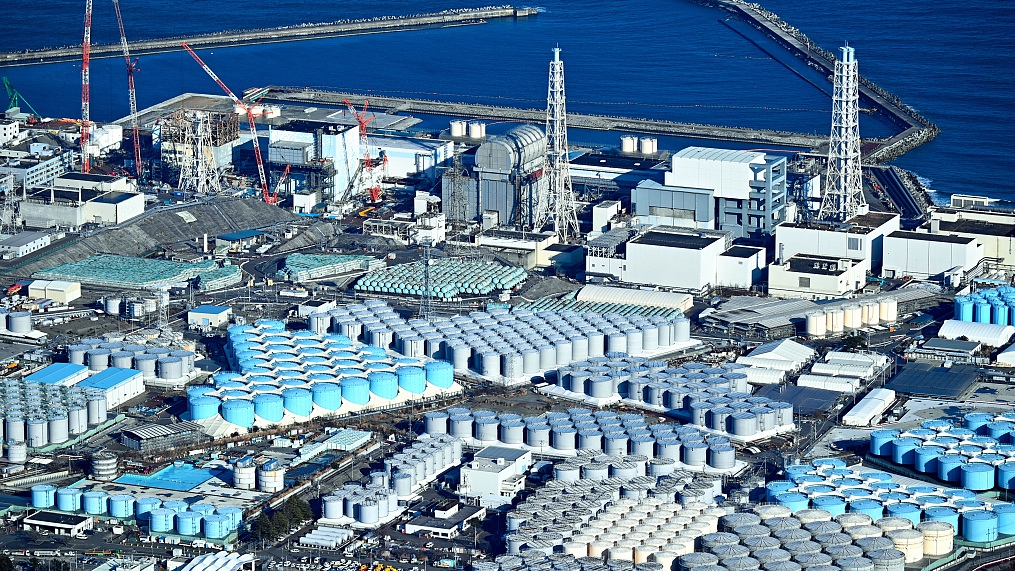
In a bold and contentious move, Japan’s Prime Minister Fumio Kishida announced that the nation is poised to unleash over 1 million tonnes of treated radioactive water into the ocean from the dismantled Fukushima nuclear power plant. The decision, scheduled for August 24, has garnered worldwide attention and sparked heated debates regarding its potential environmental and economic implications.


Initial Discharge Amidst Safety Checks

Amidst vehement protests and global concerns, Japan’s Tokyo Electric Power Company (TEPCO), the operator of the Fukushima plant, unveiled its plans for a phased release of the treated radioactive water. Beginning with a conservative approach, TEPCO disclosed that the first discharge, totaling 7,800 cubic meters, will be carefully monitored and executed over approximately 17 days. This initial water batch will contain about 190 becquerels of tritium per liter, well below the World Health Organization’s safety threshold of 10,000 becquerels per liter.


Fishing Industry and Public Concerns Persist

Despite assurances of safety and adherence to international guidelines, domestic and global opposition to the plan remains resolute. The Japanese fishing industry, still recovering from the nuclear disaster, has expressed intense reservations about the release. Masanobu Sakamoto, the leader of the National Federation of Fisheries Cooperative Associations, emphasized the unchanging nature of their opposition. While acknowledging potential scientific safety, their overriding concern revolves around the detrimental impact on seafood reputation.


A Kyodo opinion poll highlighted the gravity of public concerns, revealing that a staggering 88.1 percent of surveyed residents expressed unease over the government’s decision to discharge treated radioactive wastewater into the ocean. This widespread apprehension underscores the deeply rooted fears and uncertainties surrounding the controversial plan.


International Responses and Monitoring Efforts

Japan’s decision has rippled beyond its borders, inciting responses from neighboring countries and international bodies. Hong Kong and Macao swiftly announced bans on products from Fukushima and several other prefectures in direct response to Tokyo’s declaration. China, too, took a decisive stance by prohibiting food imports from ten of Japan’s prefectures, including Fukushima, citing concerns about potential contamination.


South Korea, on the other hand, presented a nuanced perspective. While acknowledging the scientific and technical aspects of the release plan, the nation remained cautious and withheld full endorsement. South Korea’s Democratic Party chief, Lee Jae-myung, conveyed opposition to the discharge plan through diplomatic channels, urging cooperation with the international community to explore safer alternatives.


In light of the global scrutiny, the International Atomic Energy Agency (IAEA) stepped in to assuage concerns. Rafael Mariano Grossi, the director general of IAEA, affirmed the agency’s commitment to closely monitor the water release. The UN agency’s Fukushima-based office will actively oversee the process, ensuring alignment with safety standards, and will make real-time monitoring data and crucial information publicly available.


As Japan prepares to initiate the gradual release of treated radioactive water from the Fukushima plant, the world watches with a blend of apprehension and skepticism. The decision continues to trigger fervent debates, bringing to the forefront concerns about the environment, economy, and international relations. With opposition from various quarters, the success and aftermath of this plan remain uncertain, shrouding the fate of the Fukushima waters in a veil of controversy.

Previous Post

Xi’s Vision for BRICS Expansion: Rejecting Hegemonism and Building Equitable Global Order

Next Post

Day 546 of Russian-Ukranian War: Ukraine Gains Ground, Drone Strikes, and Global Diplomacy Unfolds

News Desk

News Desk

Next Post
Day 546 of Russian-Ukranian War: Ukraine Gains Ground, Drone Strikes, and Global Diplomacy Unfolds

Day 546 of Russian-Ukranian War: Ukraine Gains Ground, Drone Strikes, and Global Diplomacy Unfolds

  • Trending
  • Comments
  • Latest
Saudi Arabia Bans 1-Year Visit Visa for 14 Countries to Curb Illegal Hajj Pilgrims

Saudi Arabia Bans 1-Year Visit Visa for 14 Countries to Curb Illegal Hajj Pilgrims

February 4, 2025
Dublin’s Closed Israeli Embassy Becomes Palestinian Museum

Dublin’s Closed Israeli Embassy Becomes Palestinian Museum

December 27, 2024
Iraq 20 Years Later: What Really Happened and Who’s Still Accountable?

Iraq 20 Years Later: What Really Happened and Who’s Still Accountable?

March 21, 2025
Newly declassified U.S. documents show that the Dalai Lama was on CIA payroll

Newly declassified U.S. documents show that the Dalai Lama was on CIA payroll

November 28, 2025
“Arakan Army”: A Greater Threat Than the Junta and a Dead End for Rohingya Rights.

“Arakan Army”: A Greater Threat Than the Junta and a Dead End for Rohingya Rights.

3
Women in Afghan media continue brave mission to keep our stories alive

Women in Afghan media continue brave mission to keep our stories alive

1
Interview of Foreign Minister of Pakistan with Chinese Journalist

Interview of Foreign Minister of Pakistan with Chinese Journalist

0
Breakfast celebration in Turkish Embassy Islamabad

Breakfast celebration in Turkish Embassy Islamabad

0
How The New Taliban Code Dehumanizes Women

How The New Taliban Code Dehumanizes Women

February 13, 2026
Donald Trump and Goebbels with gifted nobel prizes.

Donald Trump Gifted Nobel Peace Prize

February 13, 2026
Mali Removes French Colonial History from Schools to Reclaim National Identity

Mali Removes French Colonial History from Schools to Reclaim National Identity

December 5, 2025
Iraq Increases Male Control Over Marriage, Divorce, and Custody

Iraq Increases Male Control Over Marriage, Divorce, and Custody

December 5, 2025

Recent News

How The New Taliban Code Dehumanizes Women

How The New Taliban Code Dehumanizes Women

February 13, 2026
Donald Trump and Goebbels with gifted nobel prizes.

Donald Trump Gifted Nobel Peace Prize

February 13, 2026
Mali Removes French Colonial History from Schools to Reclaim National Identity

Mali Removes French Colonial History from Schools to Reclaim National Identity

December 5, 2025
Iraq Increases Male Control Over Marriage, Divorce, and Custody

Iraq Increases Male Control Over Marriage, Divorce, and Custody

December 5, 2025

Observer Diplomat is a preeminent International Affairs and Diplomatic Magazine distinguished by its women-led editorial team. Committed to delivering in-depth analyses of global events, we offer a unique and nuanced perspective on international news. Our magazine serves as a beacon of knowledge, presenting a comprehensive understanding of the intricate dynamics shaping the world today.


REGIONS

  • Africa
  • Central Asia
  • China
  • East Asia & The Pacific
  • Europe
  • North America
  • Russia
  • South Asia

TOPICS

  • Diplomacy
  • Economy
  • Environment
  • Events
  • Opinion
  • Podcasts
  • Politics

ABOUT

  • Subscription
  • Newsletter
  • About Us
  • Write For Us
  • Privacy Policy
  • Advertise
  • Contact Us

Follow us

  • About
  • Advertise
  • Privacy & Policy
  • Contact

© 2023 observerdiplomat

No Result
View All Result
  • Home
  • Regions
    • US & Canada
    • China
    • Latin America & Caribbean
    • Middle East
    • Central Asia
    • South Asia
    • East Asia & The Pacific
    • Africa
    • Europe
  • Topics
    • Opinion
    • Society
    • Security
    • Economy
    • Diplomacy
    • Politics
    • Environment
  • More
    • National Days
    • Podcasts
    • Interviews
    • Books and Reviews
    • Heads of Mission In Pakistan
    • Events
  • Magazine
  • About
    • Subscription
    • Newsletter
    • About Us
    • Write For Us
    • Advertise
    • Privacy Policy
    • Contact Us

© 2023 observerdiplomat